
 English

Lista de Projetos
Esta é a lista de projetos disponíveis no sistema. Para saber mais detalhes sobre um projeto clique no seu nome ou imagem. Também pode procurar por um determinado projeto na caixa de pesquisa em baixo.
Página 134
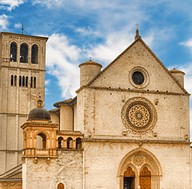
O projeto visa combinar técnicas tradicionais e inovadoras, em ordem a desenvolver metodologias, protocolos e ferramentas de avaliação de riscos e a criar interfaces amigáveis para a gestão e preservação do património cultural.
Informação do Projeto
2020-07-01
2024-05-31
Parceiros do Projeto
- DINAMIA'CET-Iscte (CT) - Líder

O projeto mobilizador nº 46078 - Smart Farm tem como objetivo facilitar a transição para agricultura digital das explorações agrícolas, independentemente da sua dimensão, por via de :
Conceber e desenvolver soluções acessíveis com base nas tecnologias, para a aplicação em horti, fruti e viticultura;
Dinamizar práticas de agricultura sustentável, preditiva, autónoma e geradoras de elevado valor acrescentado, na região oeste, e a nível nacional e internacional.
Soluções inteligentes para uma agricultura sustentável, preditiva e autónoma.
Informação do Projeto
2020-07-01
2023-06-30
Parceiros do Projeto
- IT-Iscte
- IT-Iscte
- TOMIX - Líder (Portugal)
- Adega Cooperativa São Mamede da Ventosa, CRL - (Portugal)
- Centro Operativo e Tecnológico Hortofrutícola Nacional - (Portugal)
- FCUL - (Portugal)
- Associação para a Valorização Agraria - (Portugal)
- Faculdade de Ciências e Tecnologia da Universidade Nova de Lisboa - (Portugal)
- FLOWAKE - (Portugal)
- IMPACTWAVE - (Portugal)
- INESC TEC - (Portugal)
- Instituto Nacional de Investigação Agrária e Veterinária, I.P. - (Portugal)
- IPL - (Portugal)
- Laboratório Colaborativo para a Inovação Digital na Agricultura - (Portugal)
- Luis Vicente - (Portugal)
- OPTIMIZEPLANET - (Portugal)
Informação do Projeto
2020-07-01
2022-11-14
Parceiros do Projeto
Este relatório resulta de um estudo encomendado pelo Fórum Mário Soares com o objetivo de identificar o património político construído pelo Partido Socialista em torno do Poder Local desde 1976. Para o efeito, nos termos de referência que nos foram apresentados, pretendia-se que respondêssemos a quatro grandes questões: i. Qual a contribuição do PS para a arquitetura institucional do Poder Local no Portugal democrático (1976-2019)? ii. Qual a influência político-eleitoral do PS no poder autárquico entre 1976 e 2019? iii. Qual a perceção dos eleitos locais socialistas relativamente ao património autárquico do PS? iv. Quais as aspirações dos eleitos locais socialistas relativamente às principais bandeiras do PS no futuro próximo?
O texto do relatório final ensaia a resposta a estas perguntas num registo académico cujos resultados se não confinam ao partido socialista, constituindo uma síntese histórica da evolução do papel das autarquias locais nas diversas dimensões das políticas locais de desenvolvimento, das políticas territoriais e de habitação às políticas sociais.
Informação do Projeto
2020-06-30
2021-05-31
Parceiros do Projeto
El tema central de este proyecto es el estudio de los africanos y magrebíes que residieron en la península ibérica entre 1850 y 1975. Este período marca el inicio de la colonización efectiva de la mayoría de los territorios africanos de España y Portugal, y el fin de su colonización con la concesión dela independencia a las últimas posesiones. Se parte de la premisa de que la presencia de africanos y magrebíes en España y Portugal en estas fechas se enmarcó en el colonialismo ibérico y sus retóricas, lo que condicionó sutraslado, asentamiento, actividades, integración y visibilidad, también en clave de género. El interés es ofrecer una historia Afro-Ibérica y completar la escasez de estudios existente que prácticamente ha reducido la presencia africana a su exhibición en zoos humanos y exposiciones universales, o a su participación encontiendas bélicas o actividades deportivas.
Informação do Projeto
2020-06-16
2023-06-15
Parceiros do Projeto
Página 134
