
 English

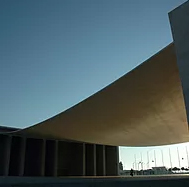
A monumentalidade crítica de Álvaro Siza: Projetos de Renovação Urbana depois da Exposição internacional de Lisboa de 1998
Investigador
O projeto de investigação ‘A Monumentalidade Crítica de Álvaro Siza – Projetos de Renovação Urbana depois da Exposição Internacional de Lisboa de 1998 (Expo’98)’ pretende identificar, caracterizar, discutir e refletir sobre os projetos de Álvaro Siza dentro do contexto das políticas urbanas lançadas no princípio do século XXI. O projeto possui como ponto de partida a análise da obra do Pavilhão de Portugal no contexto do projeto de renovação urbana que o evento Exposição Internacional de Lisboa proporcionou. O Pavilhão, concebido sem uma específica atribuição de programa para além do programa temporário de edifício representante de Portugal na Expo’98, é atualmente tido como um laboratório da arquitetura de Álvaro Siza e um projeto de referência dentro da Cultura Arquitetónica Portuguesa. Neste sentido considera-se indispensável um trabalho interpretativo e analítico possível de mapear e qualificar as suas qualidades e conceitos.
Operações arquitetónicas e urbanísticas depois da Exposição Internacional de Lisboa de 1998
Investigador
O projeto de investigação 'Grandes Trabalhos - Operações arquitetónicas e urbanísticas depois da Exposição Internacional de Lisboa de 1998', tem o intuito de identificar, caracterizar, debater e refletir sobre as políticas urbanas e a arquitetura produzidas em Portugal após a Exposição Internacional de 1998, em Lisboa (Expo98). O estudo assenta na convicção de que os reflexos daquele 'laboratório urbano' não podem prescindir de um trabalho de natureza predominantemente analítica e interpretativa, capaz de mapear e qualificar a cultura urbanística, projetual e tecnológica implementada em Portugal nas duas décadas que se seguiram aos projetos da Expo98. Em 2008, passada a primeira década desde a Exposição de Lisboa, foi apresentado pela Câmara Municipal de Lisboa o Plano Geral de Intervenções da Frente Ribeirinha (PGIFR), com o intuído de estabelecer continuidades urbanas, alargando o modelo do Parque das Nações a todo o aterro marginal da cidade, entre o Rio Trancão e a doca de Pedrouços, reconfigurando algumas das áreas de infraestruturas portuárias que se encontravam sob a administração pública do Estado. A dinâmica gerada pelo PGIFR tem permitido enquadrar projetos de grande dimensão e importância estratégica para o país, tais como: a Fundação Champalimaud, na zona da doca de Pedrouços a Ocidental do município, com projeto do arquiteto Charles Correa (1930-2015); o Museu Nacional dos Coches, na zona de Belém, desenhado por Paulo Mendes da Rocha (n. 1928); a sede da EDP de Manuel (n. 1963) e Francisco (n.1964) Aires Mateus no aterro da Boavista; a reabilitação do espaço público da Ribeira das Naus, com projeto de João Ferreira Nunes (n.1960) e João Gomes da Silva (n.1962); ou o futuro Terminal de Cruzeiros em Santa Apolónia, com desenho de Carrilho da Graça (n.1952), agora em construção. O projeto 'Os Grandes Trabalhos - Operações arquitetónicas e urbanísticas depois da Exposição Internacional de Lisboa de 1998' procura aprofundar as relações produzidas pelas inter...
Informação do Projeto
2018-10-01
2022-09-30
Parceiros do Projeto
- DINAMIA'CET-Iscte (CT) - Líder
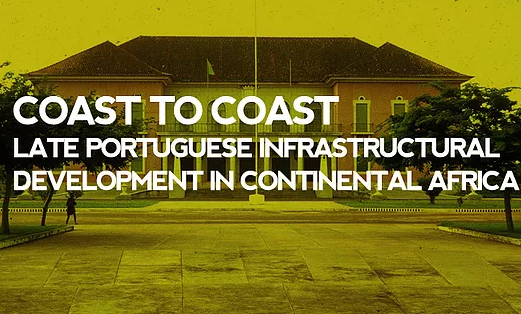
Desenvolvimento portuário das infra-estruturas portuguesas na África continental (Angola e Moçambique): análise crítica e histórica e avaliação pós-colonial
Investigador
Objetivos
1) a análise do processo infra-estrutural a partir do mapeamento de 3 tipologias específicas de Obras Públicas coloniais (PW), que serão abordadas na perspectiva de seu processamento arquivístico, documental e cartográfico e de sua descrição historiográfica;
2) a identificação e análise crítica do estado dessas infra-estruturas (reutilização, fortalecimento ou decadência), após as independências de 1975.
A pesquisa baseia-se na hipótese de que a infra-estrutura territorial colonial deixa marcas resilientes no ambiente construído pós-colonial e que esse impacto deve ser analisado de forma a apoiar ações futuras. O Arquivo Histórico Ultramarino possui uma parte essencial da coleção de documentos sobre o PW colonial dos séculos XIX e XX. O processo de arquivamento, catalogação e descrição será uma responsabilidade do projeto, tornando-os disponíveis para a comunidade científica.
Após o mapeamento, recorrendo à cartografia especializada, toda a documentação será recolhida, e os estudos de caso serão selecionados, com base em critérios específicos (relevância estratégica, escala, impacto no ambiente construído). Sua descrição detalhada e histórica segue, a fim de criar registros de inventário na plataforma web HPIP da FCG e referência no SIG, juntamente com a verificação do estado de conservação e com o levantamento das intervenções pós-dependência.
Informação do Projeto
2016-04-04
2019-12-31
Parceiros do Projeto
- DINAMIA'CET-Iscte (CT) - Líder
- Gulbenkian - (Portugal)
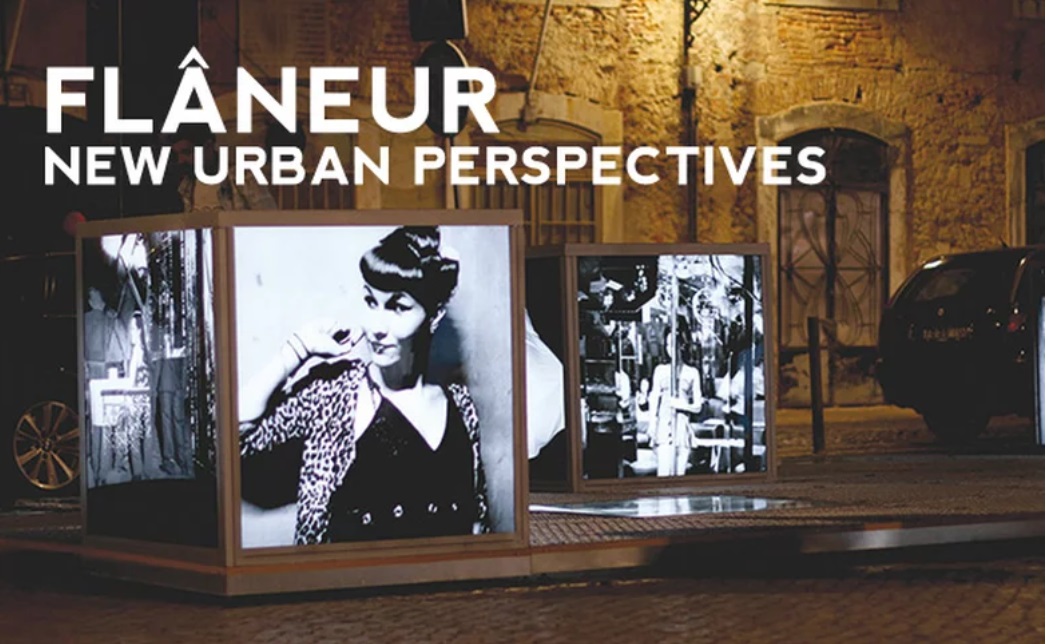
Flanêur - New urban narratives
Investigador
É um projeto de rede baseado numa parceria internacional de cerca de 20 organizações de 11 países diferentes. O objetivo principal é realizar intervenções artísticas em espaços públicos através da fotografia contemporânea. O Projeto incentiva os artistas a criar novas interpretações do terreno urbano, com o conceito de flâneur como ponto de partida e considerando o contexto físico da cidade como caleidoscópio social em constante evolução. Além dos projetos de arte e intervenções no espaço público, Flâneur é composto de várias outras dimensões trazidas à luz em oficinas, masterclasses, residências artísticas, campos criativos e conferências - iniciativas destinadas a promover uma análise crítica da fotografia contemporânea e contribuir para uma discussão sobre o espaço público como território social. Durante um período de dois anos, a Flâneur estará representada nas 13 cidades parceiras. A obra de arte é criada por fotógrafos convidados a perseguir residências artísticas em cada cidade, bem como fotógrafos locais, misturando pontos de vista externos e internos, e complementados pela obra produzida em ateliês abertos a residentes locais. O trabalho criado em todas essas cidades é apresentado em exposições fotográficas em espaços públicos, trazendo para os quadrados, parques e ruas obras de arte, que normalmente seriam incluídas em museus e galerias. É, ao mesmo tempo, um processo de desconstrução e democratização do usufruto da arte, compartilhando-o com um público heterogêneo. A exibição da exposição, baseada em estruturas modulares com iluminação retroactiva, permite um design específico em cada um dos diferentes espaços. A própria exibição se torna uma replicação da cidade, aberta e acessível 24 horas por dia. Flâneur gera uma visão transversal das diferentes dinâmicas sociais que são o tecido dos territórios urbanos. A peculiaridade deste "retrato" particular é o facto de ser produzido por um grupo amplo e diversificado de criadores, que, com um tema comum, examin...
Informação do Projeto
2015-03-16
2017-03-15
Parceiros do Projeto
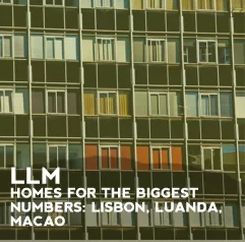
LLM - Homes for the biggest number: Lisbon, Luanda, Macao
Investigador
A pesquisa visa pesquisar, catalogar e contextualizar projetos de habitação em Lisboa, Luanda e Macau, construídos entre os anos 1960 e 1980, que se destacaram para a grande ocupação e o alto número de pessoas alojadas. Destina-se a identificar os modelos habitacionais e urbanos existentes e mapear as mudanças após 40 anos de uso, a fim de compreender como se adaptar às condições atuais (urbanas e sociais) e apoiar o futuro. Metodologia: Inicialmente, começa com um detalhado descrição e processo histórico, criando registros de inventário, referenciados ao Sistema de Informação Geográfica e redestrução de projetos (para análises comparativas do design urbano e da unidade celular). Isso segue uma visita aos complexos para verificar seu estado de conservação, experimentando a situação urbana e descrevendo a evolução do perfil das populações atuais. Os questionários serão divulgados para relatórios de ocupação e satisfação social (distrito / moradia). As entrevistas qualitativas a grupos profundamente enraizados (grupos sociais e culturais de pertença) permitirão avaliar a integração na cidade. As visitas serão gravadas em video para "memória futura" e um documentário (três curtas-metragens de 30 minutos) será produzido. No ano passado, serão realizadas oficinas com as comunidades, envolvendo arquitetos, estudantes, moradores e instituições locais, propondo intervenções arquitetónicas baseadas em análises históricas e sociais e na tradição portuguesa de arquitetura participativa.
Informação do Projeto
2013-07-01
2015-12-31
Parceiros do Projeto
- DINAMIA'CET-Iscte
- AAM - (China)
- IHRU - (Portugal)
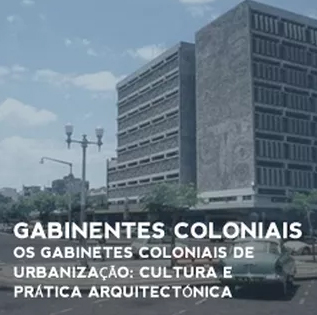
Os Gabinetes Coloniais de Urbanização: Cultura e Prática Arquitectónica
Investigador
Este estudo teve como objetivo inventariar, catalogar e analisar o trabalho de Equipas sucessivas que pertenciam às estruturas dos Ministérios das Colónias e mais tarde do Ultramar (doravante designados ministérios no exterior) e que eram responsáveis pelo projeto arquitetónico faz parte de uma abordagem mais abrangente estudar sobre a cidade e a arquitetura produzida nos antigos territórios coloniais, cujo objetivo é promover o conhecimento do património intelectual e construído gerado pelos portugueses e disponibilizá-lo ao público em geral por meio de um sistema de consulta online .
Informação do Projeto
2010-02-01
2013-07-31
Parceiros do Projeto
- DINAMIA'CET-Iscte
- IICT - (Portugal)
- IHRU - (Portugal)
