
 English

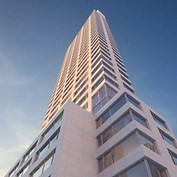
Habitação colectiva de Álvaro Siza: projetos, contextos e vivências (Porto-Lisboa-Nova Iorque)
Investigadora
O objectivo geral do projeto é o estudo das transformações da habitação colectiva de Siza nas últimas 5 décadas, privilegiando a análise articulada dos: a) projetos (habitação social/promoção privada) e respectivas condições sociais e urbanas de enquadramento; b) seus habitantes e da relação que estes desenvolvem com o espaço projetado. A pesquisa segue uma metodologia intensiva: estudo comparado de 3 casos/projetos de habitação colectiva de Siza. Cada projeto representa um momento particular da vida profissional do arquiteto a que corresponde um momento particular da sociedade e cidade; os 3 em conjunto, e a sua sequência temporal, representam simultaneamente a trajetória individual de Siza (parte dela) e a da sociedade e cidade contemporâneas. Os casos são: 1º Bouça/Porto - lançado após a Revolução 1974. Simboliza a Revolução, Arquitetura e o Direito à Cidade quando esta estava em decadência; 2º Terraços de Bragança – Chiado, Lisboa, lançado nos anos 1990. Simboliza o boom do imobiliário nacional, arranque da modernização e a procrastinação do renascimento urbano; 3º Edifício 611 West 56th Street – Hell’s Kitchen, Nova Iorque, lançado nos anos 2010’s. Simboliza a híper-globalização, ascensão da cidade, financeirização do imobiliário e incontestabilidade do valor da autoria arquitectónica. A maior inovação da proposta está na sequência temporal destes 3 casos que nos permite responder às seguintes questões: o que mudou na produção e na apropriação nas casas de Siza e em que é que essas mudanças se relacionam com mudanças sociais e com o percurso do arquiteto? Quem promove as habitações nos diferentes períodos e locais e para quem? Quais as diferenças/semelhanças formais, funcionais e contextuais dos diferentes projetos? Como é que as transformações do contexto urbano impactam na ocupação das habitações em termos sociais, usos e valor? Qual o perfil social dos seus habitantes, sua evolução e diferenças intre projetos? Como é que esses diversos habitantes vivem (n)as...
Informação do Projeto
2022-02-01
2024-07-31
Parceiros do Projeto
- DINAMIA'CET-Iscte (CT) - Líder
- IST - (Portugal)
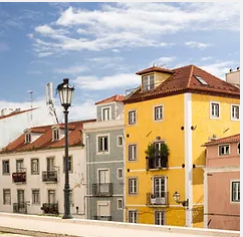
LXHABIDATA
Investigadora
O projeto LXHABIDATA pretende acionar e alimentar uma plataforma de dados sobre a habitação geograficamente referenciados para todos os concelhos da Área Metropolitana de Lisboa, atualizados com periodicidade trimestral, com o objetivo de favorecer a discussão pública, o ensaio de medidas de política habitacional e a informação de vários agentes, para além do apoio à docência dos investigadores implicados. Na nossa opinião esta plataforma enquadra-se nos objetivos do Projeto pois permite aprofundar o conhecimento sobre as dinâmicas de mudança ao nível do espaço considerando a diversidade das logicas, dos processos e dos atores que o produzem ou dele se apropriam com particular atenção às dinâmicas habitacionais e de desenvolvimento local.
Informação do Projeto
2019-10-26
--
Parceiros do Projeto
- DINAMIA'CET-Iscte (CT) - Líder
Rester en Ville
Investigadora
Propomos uma abordagem comparativa internacional para submeter-se à mesma inquirição os bairros afetados por mudanças, por hipótese, cujas causas são comparáveis ??(globalização, metropolização, transformação dos governos nacionais e locais), mas também as consequências em termos de efeitos sociais e mudança. As relações entre resiliência e resistência nesses quatro bairros urbanos da Europa Central serão estudadas com base nas práticas dos residentes e dos usuários, em que consideramos menos a lógica tradicional do "distrito trampolim" do que a existência de esferas da vida, pertences e usos que vão muito além do bairro, e podem ser descritos como "sócio-esferas", e ser entendidos através da noção de "cenas". A análise será baseada em entrevistas sobre o curso de vida de indivíduos e famílias que vivem no bairro no momento da pesquisa, e particularmente aqueles que lutam para se manter desenvolvendo estratégias residenciais (de acordo com a lógica família, amigos, profissionais), bem como aos indivíduos e famílias cuja presença no espaço público e seu apego ao território (manifestado pelas atividades e práticas de certos lugares) expressam e sustentam o desejo de terem um apelo gratuito. O objetivo de "ficar na cidade" é, portanto, a espinha dorsal do inquérito a 4 distritos centrais das principais cidades europeias: Paris, Bruxelas, Lisboa e Viena. Essas entrevistas, 240 em número (60 por zona), serão complementadas por observações baseadas no local, baseadas em sistema, na medida em que ofereçam capturas de resistência / resiliência. Os "sistemas de lugares" assim elaborados são combinados com "sistemas de ligação" que permitem descrever a hospitalidade da área de recepção, as suas comodidades e a possibilidade de algumas famílias pobres permanecerem no centro da cidade, apesar de, e talvez por causa da metropolização.
Informação do Projeto
2014-09-01
2015-05-31
Parceiros do Projeto
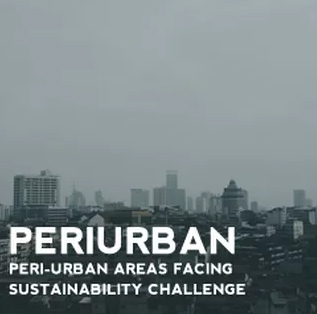
PERIURBAN - Peri-urban areas facing sustainability challenges:scenario development in the Metropolitan Area of Lisbon
Investigadora
O principal objetivo deste projeto é avaliar o potencial dessas áreas periurbanas para enfrentar os desafios futuros para o desenvolvimento sustentável em um mundo em mudança. Tem como objetivo analisar em profundidade as áreas periurbanas da Área Metropolitana de Lisboa (AML), suas características ambientais, sociais, económicas e institucionais, utilizando uma abordagem prospectiva. Metodologia: Para atingir esse objetivo, este projeto visa: (1) identificando tipologias de áreas periurbanas com base nas suas características ecológicas, sociais, económicas e institucionais para a Região Metropolitana de Lisboa; (2) criando visões para áreas periurbanas de acordo com sua tipologia, desenvolvendo cenários para estudos de caso com base em: (a) compreensão dinâmica estrutural e funcional de cada tipologia, levando em consideração: serviços de ecossistemas fornecidos por cada tipologia, identificando vulnerabilidades; atividades económicas, seu potencial inovador e padrões de demanda em constante evolução; qualidade de vida percebida da população residente e sua expectativa em relação a desenvolvimentos futuros; modelos de governança e sistemas de ordenamento do território a escala local, avaliando seu potencial de mudança; e (b) participação dos peritos e das partes interessadas, identificando os desafios específicos que devem ser enfrentados por cada tipologia periurbana, nomeadamente em termos de formulação de objetivos de qualidade de sustentabilidade; (3) intercalar a ciência e a prática comunicando os conhecimentos adquiridos em pesquisa e informações úteis e relevantes para urbanistas e decisores, desenvolvendo diretrizes de planeamento estratégico e modelos de governança com as partes interessadas e visando orientações para lidar com os desafios enfrentados pelas áreas periurbanas.
Informação do Projeto
2012-03-21
2015-07-31
Parceiros do Projeto
As políticas, as organizações e as práticas de educação/formação
Investigadora
The central concept behind this project is to analyze the emergence and consolidation of social entrepreneurship within the context of the changes undergone by Portuguese society over the last decades, taking on board the international debate and alternatives to the capitalist model. The core objectives of the project are: a) to analyze the structures and dynamics of social entrepreneurship in Portugal; b) to make policy recommendations for social entrepreneurship in the fields of employment and education/training, organizational and management models.Methodology: The aim is to meet these objectives through an approach based on three analytical axes, combining both extensive and intensive methodologies, the latter based on participatory action research. These events shall be included in a documentary about social entrepreneurship for informative and didactic purposes, in order to disseminate this concept to regional and local communities and to society in general. A platform of social entrepreneurship, that can be accessed free of charge, will be one of the innovative products of the project, which shall include the documentary, a bibliographic database, a repository of public policies, a database of teaching/training institutions, and pedagogical guidelines, among a wide array of products generated during 3 years of project and that come to be regarded as relevant for dissemination purposes.
Informação do Projeto
2012-01-01
2014-12-31
Parceiros do Projeto
Residential Trajectories and Metropolization: continuities and changes in Lisbon Metropolitan Area
Investigadora
O objetivo geral do projeto é o estudo das trajetórias residenciais dos habitantes da Área Metropolitana de Lisboa (LMA), nascidos entre 1935-1985. No entanto, dada a necessidade de aprofundar o conhecimento sobre as mudanças em curso que poderiam constituir a base de uma reestruturação da lógica da metrópole contemporânea, a prioridade foi a análise das gerações mais jovens: as nascidas entre 1965-1985 e cuja entrada na idade adulta e a autonomia residencial provavelmente já ocorrereu após a adesão à UE, o período de emergência dos principais indicadores da modernidade.
Informação do Projeto
2010-03-01
2013-02-28
Parceiros do Projeto
