
 English

Impacto dos trabalhadores nas obras públicas em Macau durante a administração portuguesa (1849-1999)
Investigadora
Como é que os trabalhadores das grandes infraestruturas e edifícios públicos em Macau durante o domínio português influenciaram a sua concepção e construção? Como se desenvolveram as relações entre as instituições centrais sediadas em Portugal (caso do Gabinete de Urbanização Colonial) e o Gabinete de Obras Públicas macaense, uma vez que este último foi influenciado por técnicos da China e Hong Kong? A investigação Colonial) e o Gabinete de Obras Públicas macaense, uma vez que este último foi influenciado por técnicos da China e Hong Kong? A investigação sobre as obras públicas coloniais (CPW) em Macau, sobretudo no século XX, é ainda escassa e pouco se sabe sobre a sua gestão e funcionamento laboral. Em que medida se diferenciou de outros antigos territórios coloniais? A disciplina da arquitetura, ao abordar as PW associadas ao colonialismo e à ocupação territorial em Macau, tem sobretudo estudado as equipas de especialistas, entre os quais arquitectos e engenheiros. Mesmo estudos sobre transferências de conhecimento conceptual entre técnicos de Macau, Portugal, Hong Kong e China são diminutos. Esta ênfase nos actores especialistas não considera a contribuição da força de trabalho anónima que labutou em infraestruturas e edifícios públicos. Continuam a faltar questões críticas sobre a mão de obra: quem eram estes trabalhadores? De onde vinham? Como é que foram recrutados e pagos? Que competências traziam? Que formação receberam? Que consequências tiveram as suas experiências de trabalho? Que conflitos provocaram? Como é que resistiram e colaboraram? Em resposta, LabourMap-Macao avaliará o impacto do trabalho em massa para inquirir o papel destes trabalhadores (ainda) invisíveis. Serão analisados planos directores, projectos de arquitectura, locais de construção e movimentos laborais para oferecer narrativas mais complexas sobre a relação entre a colonização portuguesa e história de Macau através das PW. O projecto visa criar uma linha de investigação que cruza arqu...
Informação do Projeto
2025-02-15
2027-02-14
Parceiros do Projeto

Architecture, Colonialism and Labour. The role and legacy of mass labour in the design, planning and construction of Public Works in former African territories under Portuguese colonial rule
Investigadora
A disciplina de arquitetura, ao lidar com Obras Públicas associadas ao colonialismo e à ocupação territorial, continua a centrar-se na análise da constituição das equipas de projeto, dos gabinetes de Obras Públicas coloniais e dos próprios arquitetos e engenheiros. Este foco na “elite projetista” ignora uma contribuição crítica para estas Obras Públicas, nomeadamente a força de trabalho responsável pela concretização destas estruturas. Assim, continuam a faltar questões críticas sobre a força de trabalho envolvida na materialização dos planos arquitetónicos: quem eram esses trabalhadores? De que grupos étnicos provinham? Como surgiam em contingentes que podiam agregar alguns milhares de indivíduos? Como se processava o seu recrutamento? Quais eram as suas expectativas? Como eram pagos? Que formação recebiam? Que repercussões tiveram estas experiências de trabalho (maioritariamente compulsivo)? Que conflitos provocaram nas sociedades coloniais? Como resistiam ao recrutamento? Como colaboravam? Como lidar com este legado?
Em resposta, o projeto ArchLabour irá desenvolver um novo enquadramento teórico para avaliar o trabalho massivo, com o objetivo de dar visibilidade a estes trabalhadores invisíveis, estabelecendo assim uma ligação entre a subalternidade histórica e a desigualdade que ainda assombra as comunidades que herdaram este passado. Através do estudo das diversas experiências coloniais nos países africanos que têm o português como uma das línguas oficiais (Cabo Verde, Guiné-Bissau, São Tomé e Príncipe, Angola e Moçambique), e cobrindo um amplo período que se estende desde a colonização moderna, iniciada após a Conferência de Berlim, passando pelas práticas de exploração do capitalismo industrial, até aos anos imediatamente seguintes à independência africana, o projeto cruzará a história da arquitetura colonial e o tema do Trabalho, com a história da Ciência aplicada à construção e os estudos pós-coloniais em arquitetura.
Informação do Projeto
2024-01-01
2028-12-31
Parceiros do Projeto
- DINAMIA'CET-Iscte (CT) - Líder
Controle e violência através da habitação e da arquitectura, durante as guerras coloniais. O caso português (Guiné-Bissau, Angola e Moçambique): documentação colonial e análise crítica pós-independência
Investigadora
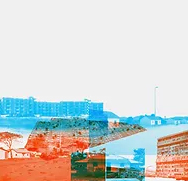
Qual foi o papel da Arquitectura durante a guerra colonial (1961-74) no suporte ao colonialismo português? Partindo da rara bibliografia existente que interpela Arquitectura, Colonialismo e Guerra (He17;He18), mas também ponderando a relação entre Violência e Colonialismo (LuMo14), a pesquisa foca-se na produção de Habitação durante as guerras de libertação na antiga África Continental Portuguesa, e suas repercussões no período imediato às independências das nações da Guiné-Bissau, Angola e Moçambique. O projecto prevê 2 fases: 1) análise da produção da habitação realizada nos últimos 14 anos de colonialismo, considerando a composição da sociedade colonial e os 3 agentes de Obras Públicas Coloniais (OPC ) envolvidos, abordada na perspectiva do tratamento arquivístico e documental, cartográfico e descrição historiográfica; 2) identificação e análise crítica do estado desse parque habitacional no período imediato a 1974/75 (abandono, reconfiguração e apropriação) e seu contributo na formação de fenómenos como a desigualdade no acesso e na qualidade (plástica, técnica e funcional) da casa pelas sociedades pós-independências. A investigação questiona o papel da guerra na criação de mecanismos de controle, recorrendo à arquitectura e ao urbanismo, tendo a produção de habitação como centro. Observa 3 fenómenos: a) novos bairros de expansão urbana de classe-média e económicos, edificados sobre musseques e caniços, para controle de populações; b) colonatos em áreas económicas estratégicas; c) reordenamentos rurais resultantes de deslocações massivas de camponeses africanos em territórios de guerra. Traça uma leitura contínua entre colonização e pós-independência, relacionando o direito à habitação com as diferentes infraestruturas residenciais herdadas do período colonial. Na 1ª fase o estudo considera os 3 grupos de habitantes que caracterizaram as narrativas coloniais: a) colonos europeus, b) assimilados e c) populações africanas. Analisa as paisagens urbana e rural onde...
Informação do Projeto
2021-03-29
2024-11-30
Parceiros do Projeto
- DINAMIA'CET-Iscte (CT) - Líder
- DGLAB - (Portugal)
- EME - (Portugal)
- Gulbenkian - (Portugal)
- IPGUL - (Angola)
- UAN - (Angola)
- UEM - (Moçambique)
Desenvolvimento portuário das infra-estruturas portuguesas na África continental (Angola e Moçambique): análise crítica e histórica e avaliação pós-colonial
Investigadora
Objetivos
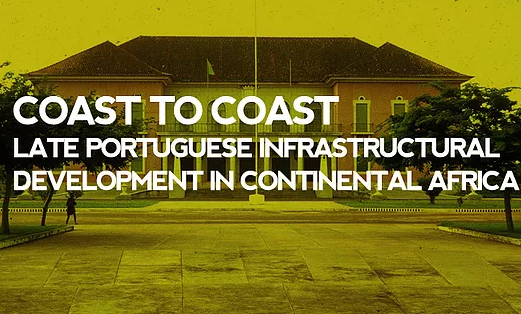
1) a análise do processo infra-estrutural a partir do mapeamento de 3 tipologias específicas de Obras Públicas coloniais (PW), que serão abordadas na perspectiva de seu processamento arquivístico, documental e cartográfico e de sua descrição historiográfica;
2) a identificação e análise crítica do estado dessas infra-estruturas (reutilização, fortalecimento ou decadência), após as independências de 1975.
A pesquisa baseia-se na hipótese de que a infra-estrutura territorial colonial deixa marcas resilientes no ambiente construído pós-colonial e que esse impacto deve ser analisado de forma a apoiar ações futuras. O Arquivo Histórico Ultramarino possui uma parte essencial da coleção de documentos sobre o PW colonial dos séculos XIX e XX. O processo de arquivamento, catalogação e descrição será uma responsabilidade do projeto, tornando-os disponíveis para a comunidade científica.
Após o mapeamento, recorrendo à cartografia especializada, toda a documentação será recolhida, e os estudos de caso serão selecionados, com base em critérios específicos (relevância estratégica, escala, impacto no ambiente construído). Sua descrição detalhada e histórica segue, a fim de criar registros de inventário na plataforma web HPIP da FCG e referência no SIG, juntamente com a verificação do estado de conservação e com o levantamento das intervenções pós-dependência.
Informação do Projeto
2016-04-04
2019-12-31
Parceiros do Projeto
- DINAMIA'CET-Iscte (CT) - Líder
- Gulbenkian - (Portugal)
