
 English

Évora 2027 - Estudo sobre a Economia da Cultura, Impacto Económico e Valor Territorial
Investigadora
Este estudo analisa de que forma Évora 2027 – Capital Europeia da Cultura contribui para o desenvolvimento económico sustentável, o fortalecimento do sector cultural e criativo, a criação de valor territorial e a dinamização do município de Évora, da sub-região do Alentejo Central e da região Alentejo. A investigação recorre a uma abordagem metodológica mista, combinando análise de dados secundários, inquéritos, entrevistas, focus groups e workshops participativos, de modo a avaliar os impactos económicos, culturais e territoriais do programa cultural e artístico.
Informação do Projeto
2026-07-02
2028-06-30
Parceiros do Projeto
- DINAMIA'CET-Iscte (CT) - Líder
Évora 2027 - Dimensão Europeia, Notoriedade Internacional e Visibilidade
Investigadora
Este estudo analisa de que forma Évora 2027 – Capital Europeia da Cultura contribui para reforçar a dimensão europeia do programa, a cooperação transnacional, a circulação de artistas, projetos e públicos, bem como a notoriedade internacional e a visibilidade externa de Évora, do Alentejo Central e da região Alentejo. A investigação recorre a uma abordagem metodológica mista, combinando análise de dados secundários, indicadores internos do programa, inquéritos, entrevistas, focus groups e workshops participativos, de modo a avaliar os efeitos da programação cultural e artística na projeção europeia e internacional do território.
Informação do Projeto
2026-07-02
2028-06-30
Parceiros do Projeto
Estratégias para a Cultura para a Área Metropolitana de Lisboa
Coordenadora Global
Assessoria para realização de um estudo com carácter estratégico sobre o valor cultural na região, com uma componente de definição de linhas estratégicas de atuação e formulação de um plano de ação concreto, para a Área Metropolitana de Lisboa
Informação do Projeto
2025-09-18
2026-05-31
Parceiros do Projeto
- DINAMIA'CET-Iscte (CT) - Líder
What's going on in the sonic paradise? Mapeamento dos ecossistemas da música eléctronica da Área Metropolitana de Lisboa
Coordenadora Global
Num contexto marcado pela transição digital, esta investigação alerta para uma relação ainda intensa entre música, território e identidade local. Fá-lo através de uma análise aprofundada dos ecossistemas de música electrónica (EME) da Área Metropolitana de Lisboa (AML). A localização destas práticas musicais continua a desempenhar um papel crucial. Contudo, existe uma lacuna de investigação que ofereça uma caracterização dos EME, dos seus diferentes actores e das suas relações, e de como estão enraizados nos territórios. A inovação deste projecto reside no facto de ir além de leituras fragmentárias dos EME. Procurando uma abordagem holística, co-construída com os diferentes agentes que compõem estes ecossistemas, este projecto constitui um contributo essencial para superar a lacuna de conhecimento sobre os EME portugueses, os seus trabalhadores e as condições em que trabalham, as redes que o compõem, e ainda o seu potencial e os desafios que enfrenta. Simultaneamente, permite alargar o foco de análise para além de Lisboa, comparando a realidade dos principais centros urbanos com contextos periféricos ou mesmo periurbanos. O nosso principal objectivo é estudar os EME da AML e produzir conhecimento útil para os seus actores e decisores políticos. A investigação fá-lo mostrando o enraizamento territorial dos EME e revelando diferenças dentro da AML; alertando para a sua importância e valor; e identificando com os stakeholders formas de os tornar mais sustentáveis e resilientes no âmbito da concepção de políticas públicas para a popular music, que não existem em Portugal. Os objectivos parciais incluem: 1) mapear e caracterizar os EME da AML; 2) identificar os seus principais desafios e oportunidades; 3) criar uma plataforma web para sistematizar e partilhar dados e recursos sobre os EME, promovendo a sua conectividade e as carreiras e circulação dos seus agentes; 4) dar visibilidade a territórios e a um género musical que são habitualmente periféricos na concepção de p...
Informação do Projeto
2025-08-01
2027-01-31
Parceiros do Projeto
- DINAMIA'CET-Iscte (CT) - Líder
Conhecer, Mapear, Incluir:População Roma/Cigana em Portugal
Investigadora
Subsistem em Portugal severas limitações em termos de um conhecimento sistemático, atualizado e aprofundado sobre as condições e quadro de vida das pessoas ciganas/Roma em Portugal, o que constitui um obstáculo à monitorização ao nível do impacto e efetiva eficácia das políticas públicas e sobre os processos de integração desta população. Este estudo procura superar estas lacunas, comprometendo-se a recolher e disponibilizar dados diversos, sólidos e desagregados provindos de uma diversidade de fontes de informação e resultantes da mobilização de uma estratégia marcada pelo pluralismo metodológico.
Neste contexto de análise, esta pesquisa irá mobilizar uma estratégia multi-métodos, intersetando abordagens qualitativas, quantitativas e participativas. Além de dados quantitativos obtidos por meio de dois inquéritos por questionário, abordando áreas estratégicas como saúde, emprego, educação, habitação, formação profissional, desigualdade de género, discriminação e anticiganismo, utilizaremos dados de natureza mais qualitativa.
Esses incluem informações provenientes de entrevistas em profundidade (retratos sociológicos), etnografias realizadas em diversos contextos sócio-habitacionais, análise de fontes históricas e métodos participativos. Desde a conceção até à implementação, monitorização e publicação deste estudo, promoveremos ativamente a participação ativa de pessoas e coletivos de origem cigana, tornando-os protagonistas no processo de construção social do conhecimento sobre si próprios. Busca-se implementar uma estratégia de co-produção coletiva de conhecimento e mais inclusiva, uma pesquisa “com” os Ciganos/Roma e não “sobre e para” eles (Ryder, 2018). Neste processo, procura-se envolver organizações e grupos informais ciganos, bem como outras instituições que atuem próximas a essa comunidade, em várias escalas (local, regional e nacional). O objetivo é produzir recomendações em termos de políticas públicas que combatam de forma eficiente e efetiva os diferen...
Informação do Projeto
2024-10-01
2026-09-30
Parceiros do Projeto
- CIES-Iscte
- IS-UP - Líder (Portugal)
- ICS UMinho - (Portugal)
- CIIE - (Portugal)
- CPUP - Líder (Portugal)
New working spaces embracing sustainability
Investigadora
Nos últimos anos, novos espaços de trabalho, como espaços de coworking, fab labs, makerspaces e hubs criativos, registaram um aumento exponencial a nível global.
A maior parte da literatura apresenta a relação entre estes novos espaços de trabalho e as questões da sustentabilidade de forma positiva, destacando os seus contributos para os processos de regeneração urbana e a promoção de negócios e práticas sustentáveis. Estes espaços contribuem para os esforços de descarbonização através do uso partilhado de recursos, redução de deslocações, utilização de meios suaves de mobilidade e infraestruturas energeticamente eficientes.
No entanto, o impacto real destes espaços e das suas práticas na promoção da sustentabilidade necessita de uma compreensão mais aprofundada. Nesse sentido, esta proposta visa combinar a investigação sobre sustentabilidade e transformação ecológica com a literatura emergente sobre os novos espaços de trabalho, bem como com as atitudes e práticas das novas gerações relativas ao trabalho e estilos de vida.
Este projeto tem como objetivo mapear espaços de trabalho colaborativos na Área Metropolitana de Lisboa (AML) e realizar uma pesquisa exploratória sobre os seus potenciais impactos no desenvolvimento urbano sustentável e na neutralidade carbónica, através da aplicação de um questionário dirigido a gestores e utilizadores desses espaços.
Informação do Projeto
2024-09-01
2024-12-31
Parceiros do Projeto
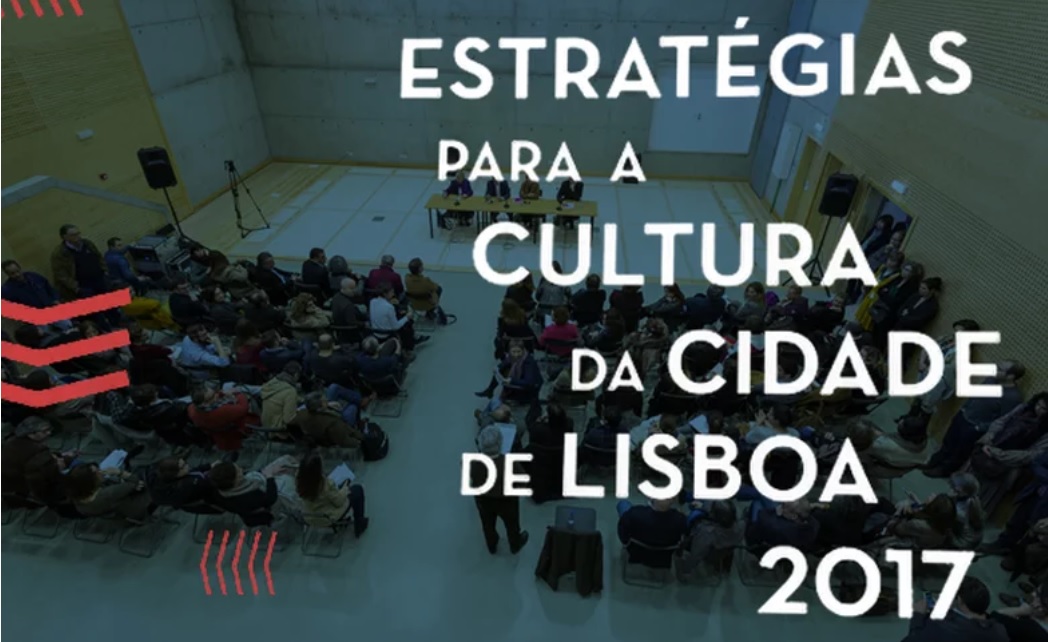
Definição e reflexão estratégica sobre o sector cultural em Lisboa
Assistente de Investigação
Definição e reflexão estratégica sobre o sector cultural em Lisboa, com componente de diagnóstico e definição concreta de linhas de acção estratégicas, no âmbito de um novo ciclo de planeamento, no âmbito do procedimento de pré-contratação de ajuste directo lançada pela Câmara Municipal de Lisboa para esse fim. Neste contexto, pretende promover e promover um processo participativo de reflexão e planeamento estratégico no setor cultural de Lisboa, com base em análise e diagnóstico sobre as condições de oferta e usufruto cultural na cidade, seus principais recursos e vantagens, e a sua dinâmica principal, buscando, de forma abrangente e inclusiva, o envolvimento de agentes na consensualização de linhas de ação estruturando para ação no campo cultural pelo município de Lisboa.
O trabalho com uma componente de diagnóstico (combinando a análise detalhada de muitas informações existentes com uma ampla auscultação dos agentes culturais) e uma componente de definição de linhas estratégicas de ação, com a discussão associada com a CML e os principais agentes culturais do município e com a implementação de um conjunto de linhas de ação, medidas e projetos estruturantes a serem implementados no nível municipal, bem como um sistema de monitorização da ação recomendada.
Informação do Projeto
2016-03-18
2017-03-17
Parceiros do Projeto
