
 English

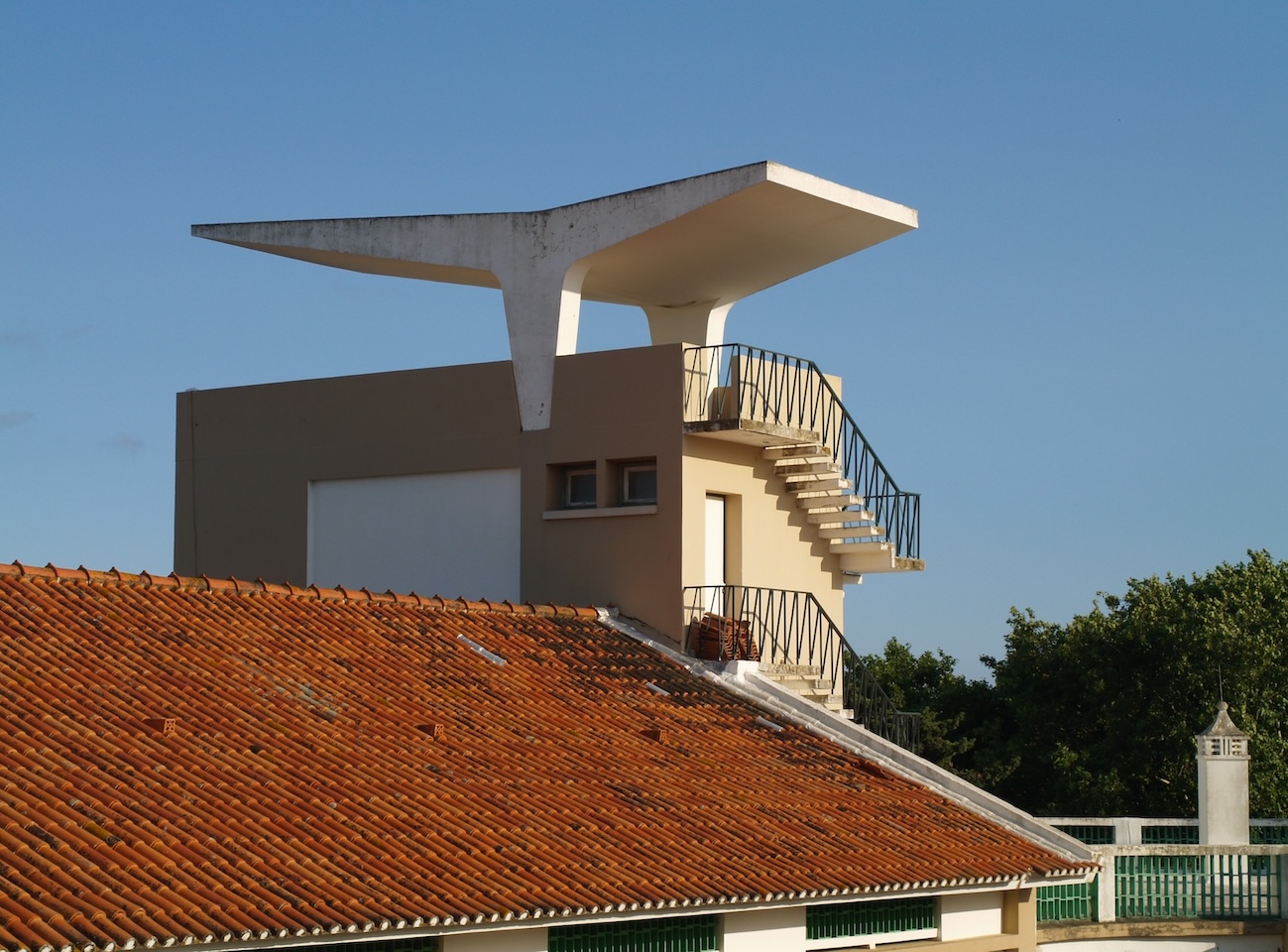
Arquitetura de Necessidade: Equipamento Comunitário em Portugal 1945-1985
Investigador
Arquitetura de Necessidade: Equipamento Comunitário em Portugal 1945-1985 examina os processos de encomenda, projeto e produção de equipamento essencial cívico e rural dascomunidades locais em Portugal entre o final da Segunda Guerra e a adesão à Comunidade Europeia. Estes edifícios, muitos deles desenhados por arquitetos, são parte da nossavida quotidiana e testemunhos da relevância social procurada pela arquitetura, como elos materiais entre criadores e utilizadores do ambiente construído; no entanto, têm sido emgeral ignorados pela cultura arquitetónica dominante, marcada por perspetivas centrais e de acento histórico-artístico. Hoje, quando devemos gerir racionalmente recursos cada vezmais escassos e as comunidades locais necessitam de reforçar a sua resiliência de modo sustentável, é essencial um novo entendimento integrado destes equipamentos, dosagentes, conceitos, discursos e estratégias por trás da sua conceção e realização. Este projeto académico recupera o ADN, perdido há muito, da arquitetura quotidiana deequipamentos públicos e agrícolas em Portugal, de modo a enriquecer a cultura arquitetónica e a dotar as comunidades locais de conhecimento que lhes permita reutilizar,transformar, manter ou eliminar peças essenciais do seu entorno imediato.Assente na experiência da equipa, o projeto afasta-se da arquitetura canónica de autor para investigar agentes, resposta e serviço, em contextos onde necessidades básicas sãosupridas por obras vistas como correntes, produto de processos supostamente triviais. Interrogando de que modo podem edifícios discretos, relevantes para leigos e arquitetos nopassado, voltar a sê-lo no futuro, olhamos para onde esta arquitetura foi resposta mais direta a necessidades ingentes: o equipamento local cívico e rural longe dos grandes centros.Este inclui edifícios para cuidados médicos (centros de saúde, lares), serviços gerais (instalações municipais e de freguesia, centros comunitários, habitação de realojamento),segurança pública (...

European Middle Class Mass Housing
Investigador
The main challenge of this Cost Action is to create a transnational network that gathers European researchers carrying studies on Middle-Class Mass Housing (MCMH) built in Europe since the 1950s. This network will allow the development new scientific approaches by discussing, testing and assessing case studies and their different methodologies and perspectives. MCMH has been generally underestimated in urban and architectural studies and there is still a lack of comparative analysis and global perspectives. The number of transnational publications and scientific meetings has also been scarce. By crossing different approaches focus on Architecture, Urbanism, Planning, Public Policies, History, Sociology new concepts and methodologies will arise. Therefore, the Action aims to produce a wider understanding of MCMH sprawl, deepening on-going researches and focusing on the existing case studies. The current methodologies, surveys, catalogue and contextualization allow an initial mapping of relevant case studies, their diverse degrees of resilience and how they have been adapted to current (urban and social) conditions. It is intended to develop the knowledge of the interaction between spatial forms, behaviours and satisfaction and to combine methodologies of architectural and social analyses. The Action will be developed by three Working Groups, coordinated by a Core Group: Documenting the MCMH; Development of a specific set of (new) concepts for MCMH analyses; Leverage contemporary architecture interventions and Public Policies. In the Action will be involved researchers related to Mass Housing, MCMH Architecture and Urbanism, Planning and Public Policies, Sociological studies, Architecture History and Modern Heritage.
Informação do Projeto
2019-04-03
2023-10-02
Parceiros do Projeto
- DINAMIA'CET-Iscte (CT) - Líder
Conjuntos Habitacionais para a Classe Média na Europa, África e Ásia
Investigador
Propõe-se uma análise comparada sobre o alojamento em massa da Classe Média (MCMH) na Europa, África e Ásia, introduzindo novos casos de estudo de modo a aprofundar investigações existentes, a partir de metodologias já testadas: catalogação e contextualização de conjuntos habitacionais construídos entre os anos de 1950/80 em Itália, Bélgica, Portugal, Angola e China. Pretende-se identificar os modelos habitacional e urbano e mapear as alterações surgidas após 50 anos de uso, para entender como se adaptaram às condições actuais (urbanas e sociais), apoiando acções futuras. Os casos de estudo localizam-se em Milão, Antuérpia, Lisboa, Luanda e Macau, em periferias que ajudaram a consolidar e foram selecionados pela: 1) escala; 2) número de habitantes; 3) acessibilidade; 4) qualidade urbana e arquitectónica. Partindo-se de um conhecimento em formação propõe-se agora uma leitura comparada que reflicta sobre a expansão das cidades no contexto do crescimento demográfico após a II Guerra Mundial. Irá analisar-se o impacto dos modelos residenciais desenvolvidos em contextos europeus e a sua transposição para antigos territórios coloniais (África e Ásia). Os estudos que analisam o panorama habitacional transcontinental sob uma perspectiva arquitectónica e sociológica estão limitados a alguns casos regionais, não assegurando uma visão global que inclua: 1) a descrição histórica da evolução física da casa, do edifício e do bairro; 2) levantamento e análise do perfil dos habitantes. Irá avaliar-se a capacidade de resiliência destes bairros, testando e propondo formas de prolongar a sua vida útil, através da actualização dos esquemas funcionais dos apartamentos (adequando-os às novas exigências), renovação de infraestruturas sanitárias e sistemas construtivos e através do conhecimento do perfil de ocupação. Dar-se-á enfase à forma de promoção (pública ou privada) e ao seu efeito sobre o perfil do habitante actual (pioneiro, recente, imigrante). Os bairros estudados caracterizam-s...
