
 English


A Universidade Europeia das Cidades do Futuro
Investigador
A PIONEER é uma aliança de Universidades Europeias dedicada ao ODS 11 “Cidades e comunidades sustentáveis”, que aborda a necessidade de as cidades se tornarem inclusivas, seguras, resilientes e sustentáveis. A aliança reúne 10 universidades orientadas para o impacto, incluindo um parceiro suíço associado, e abrange 32 cidades e 16 regiões em toda a Europa.
Ao reunir académicos, instituições públicas, organizações privadas e cidadãos no nosso quadro de orquestração, desenvolveremos iniciativas conjuntas de educação baseada em desafios, investigação orientada para o impacto e co-criação de inovação que contribuam para muitas agendas europeias, regionais e urbanas, como o Pacto Ecológico da UE e o pacote “Fit for 55”. Para o efeito, a PIONEER será também um facilitador da aprendizagem inter-institucional e um instrumento de mudança institucional. Alcançaremos esta ambição através da integração estratégica a nível institucional: alinhando gradualmente as nossas estratégias individuais e trajectórias institucionais, construindo uma estratégia de desenvolvimento comum para nos tornarmos instituições verdadeiramente internacionais integradas num quadro federal.Este quadro será inspirado na União Europeia, com um centro estratégico forte que se baseia e apoia a diversidade e a autonomia dos nossos parceiros para construir um ecossistema académico flexível e complementar, trabalhando em conjunto numa estratégia e numa trajetória de desenvolvimento comuns. Empenhados em difundir os valores europeus e em promover a inclusão e a diversidade, o PIONEER Open Campus oferecerá mobilidade sem descontinuidades aos estudantes e oportunidades únicas de desenvolvimento de liderança ao pessoal académico e não académico.
O nosso Centro de Conhecimento permitirá às universidades membros e a mais de 40 parceiros associados de ecossistemas regionais trabalharem em conjunto em questões relacionadas com o ODS 11.
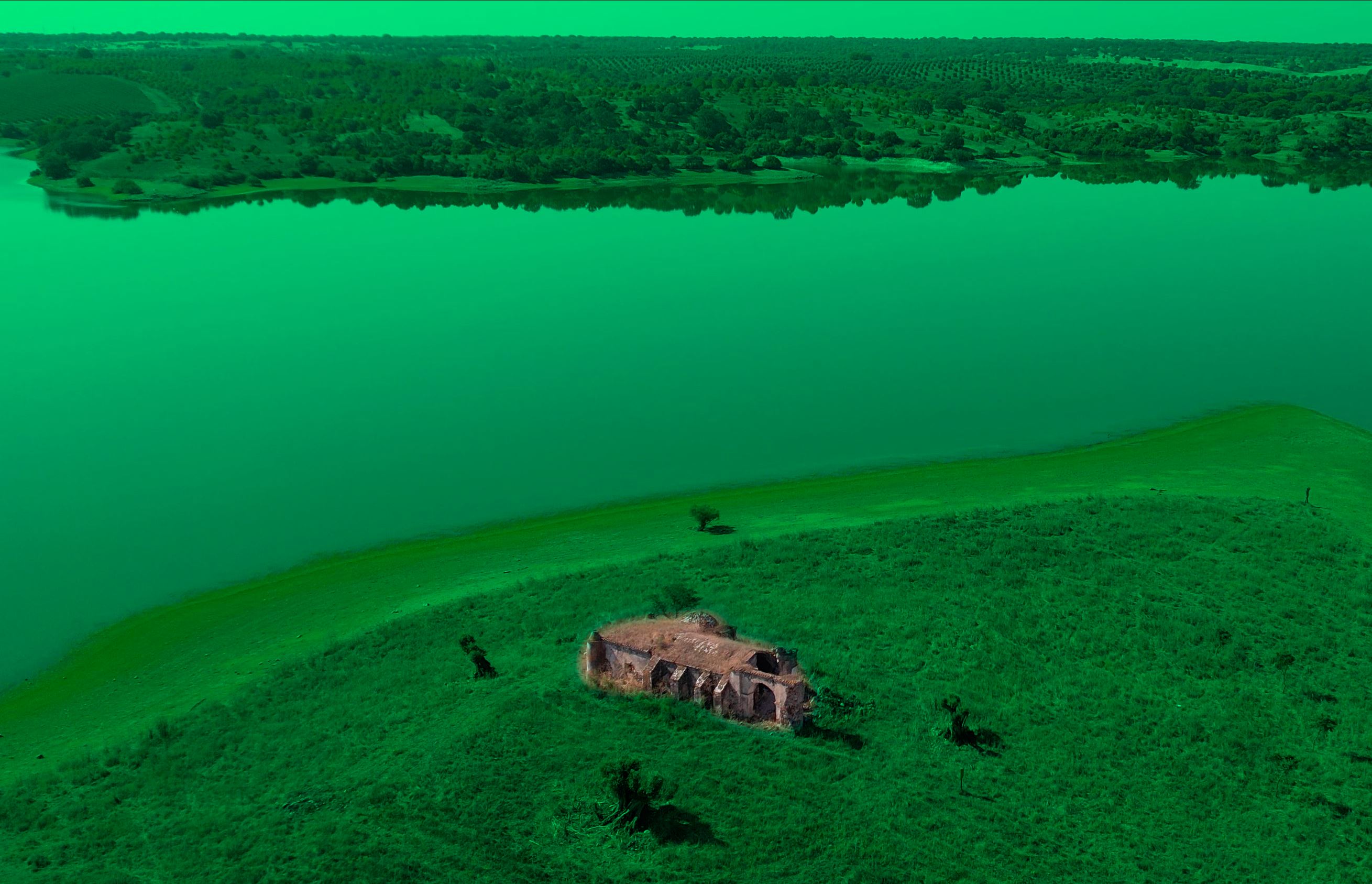
Observatório do Património Religioso. Compreender a dinâmica da transição secular para modelos inovadores de gestão sustentável do património (RH_O)
Investigador Responsável
Cf. versão inglesa.
Informação do Projeto
2024-12-15
2030-12-14
Parceiros do Projeto
- DINAMIA'CET-Iscte (CT) - Líder
Transformative Religious Heritage. Bridging Northern and Southern Europe Approaches
Coordenador Global
Over the centuries, religious built heritage played and essential role in Europe, shaping social, economic, environmental and cultural values. It defined communities and left a deep imprint on territorial development and their silhouettes, still visible in present-day city landscape. In Portugal, as well as in Norway, at present, the dominant religions face common challenges, socially, in terms of dwindling communities, environmentaly and economically, due to the reduction of the number of parishes and the territorial change that result from this. this often leads to a low utilization rate or even redundancy of religious buildings. The transHERITAGE iniciative aims to establish a first cooperation among Portuguese and Norwegian partners, aimed at knowledge sharing and creating access to innovative solutions using the transformative role of religious heritage: its potential to cause importante and enduring changes in the territories of northern and southern Europe.
Apoio Especial Verão com Ciência - DC 2022
Investigador Responsável
Programa e acompanhamento das atividades de investigação científica e tecnológica para estudantes de mestrado, integradas no projeto internacional “F-Atlas | Paisagens Franciscanas” e em “COST ACTION CA18214 - A geografia dos Novos Espaços de Trabalho e o impacto na periferia”.
O VERÃO COM CIÊNCIA é um apoio especial às atividades de investigação científica e tecnológica em unidades de I&D para potenciar a capacidade científica e tecnológica e a sua relação com o ensino superior e a sociedade. O programa previu o financiamento de 11 bolsas de iniciação à investigação pelo período de um mês, com montante de 5303,32€, proveniente de verbas do Orçamento de Estado.
Informação do Projeto
2022-07-01
2022-09-30
Parceiros do Projeto
- DINAMIA'CET-Iscte (CT) - Líder

Apoio Especial Verão com Ciência - DC 2021
Investigador Responsável
Apoio especial para atividades de investigação científica e tecnológica em unidades de I&D com vista à valorização da capacidade científica e tecnológica e a sua relação com a o ensino superior e a sociedade, mediante a contratação de 6 bolseiros de iniciação à investigação pelo período de um mês.
Informação do Projeto
2021-09-01
2021-09-30
Parceiros do Projeto
- DINAMIA'CET-Iscte (CT) - Líder
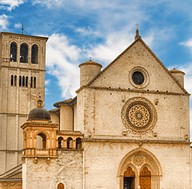
Paisagens franciscanas: a observância entre Itália, Portugal e Espanha
Coordenador Local
O projeto visa combinar técnicas tradicionais e inovadoras, em ordem a desenvolver metodologias, protocolos e ferramentas de avaliação de riscos e a criar interfaces amigáveis para a gestão e preservação do património cultural.
Informação do Projeto
2020-07-01
2024-05-31
Parceiros do Projeto
- DINAMIA'CET-Iscte (CT) - Líder
Informação do Projeto
2017-03-01
2017-07-31
Parceiros do Projeto
- DINAMIA'CET-Iscte (GEC) - Líder
