
 English

Levantamento documental, conceção e redação do discurso da exposição "O lugar da Casa-Museu Dr. Anastácio Gonçalves”: Casa-Museu Dr. Anastácio Gonçalves
Coordenadora Global
Trabalho de investigação, levantamento documental, conceção e redação do discurso da exposição "O Lugar da Casa-Museu Dr. Anastácio Gonçalves", programada no âmbito das comemorações dos 120 anos de atribuição do prémio Valmor à Casa-Malhoa.
Informação do Projeto
2024-07-01
2024-12-31
Parceiros do Projeto
- DINAMIA'CET-Iscte (CT) - Líder
Exportar Portugal. A diplomacia cultural e as estratégias de rebranding do Estado Novo nos Estados Unidos (1933-1974)
Investigadora
Após os tumultos de 2021 no Capitólio de Washington, o The American Conservative publicou um artigo que gerou um intenso debate intitulado 'Waiting for Salazar' onde se afirmava que em tempos de crise uma boa alternativa ao liberalismo para os EUA poderia ser um líder tradicionalista como o antigo ditador português. Por que razão é que a imagem de Salazar ainda é convocada para o debate político americano? A resposta encontra-se também na eficácia do soft power do Estado Novo nos EUA. ExPORT examina como, entre 1933 e 1974, o regime do Estado Novo utilizou nos EUA o soft power da diplomacia cultural para atingir objetivos internacionais e estratégias de ‘national rebranding’ para remodelar a imagem do país no sentido da inflação do orgulho nacional e do combate a perceções negativas no estrangeiro. O projeto visa entender o modo como a promoção da cultura, da paisagem, da comida e da música foram usados para preservar relações estáveis, impulsionar a economia e manter o controlo e o apoio da comunidade luso-americana. A principal hipótese é que o Estado Novo intensificou o soft power para compensar as deficiências dos canais diplomáticos formais, em períodos nos quais as relações com os EUA foram prejudicadas. Ao contrapesar esta fragilidade, aquelas práticas serviram como um instrumento para segurar tanto os interesses geopolíticos do regime como a sua estabilidade interna. A hipótese é baseada na análise preliminar dos Orçamentos de Estado que mostram como as despesas com a diplomacia cultural aumentaram em 4 períodos cruciais nas relações entre Portugal e EUA: a viragem atlântica do regime (1939-43); o pico da migração portuguesa para os EUA, o início da crise indiana, a adesão de Portugal à ONU (1953-56); as tensões com Kennedy e o início das guerras coloniais (1961-62); o processo de “national rebranding” durante a primavera Marcelista e o ápice dos protestos contra o regime e o império nos EUA (1968-71). O projeto interpretará o termo 'ExPORT' não apenas como ...
Informação do Projeto
2023-01-01
2025-12-31
Parceiros do Projeto
- DINAMIA'CET-Iscte (CT)
- ICS/UL - Líder (Portugal)
- DPBS-BU - (Estados Unidos da América)
- CEU-UA - (Portugal)
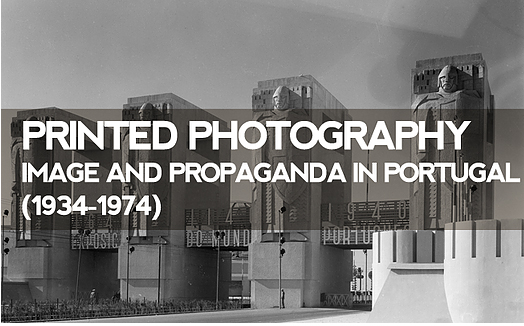
Fotografia impressa. Imagem e propaganda em Portugal (1934-1974)
Investigadora
O objetivo do projeto é identificar, analisar e discutir a imagem fotográfica impressa como instrumento de propaganda pelo "Novo Estado" português de 1934 até o final do regime em abril de 1974. As duas primeiras etapas são: (a) pesquisa se revistas e álbuns; (b) seleção de imagens e sua descrição para criar um banco de dados totalmente novo. A terceira etapa diz respeito à análise final e interpretações do material. Apresentaremos, portanto, uma abordagem interdisciplinar de fotografia impressa que levará em conta os conceitos trazidos para o campo por semiótica de imagens, estudos pós-coloniais, antropologia, além de estudos culturais e de mídia.
Informação do Projeto
2017-05-05
2019-11-01
Parceiros do Projeto
- DINAMIA'CET-Iscte (CT)
- FCSH-UNL - Líder (Portugal)
