
 English

GEBALIS - Avaliação Impactos
Coordenador Global
Estudo de avaliação do impacto do processo de requalificação de Bairros Municipais no âmbito de PRR tem como objetivo analisar e avaliar os resultados alcançados pelos processos de requalificação em curso nos Bairros Municipais. São três os objetos de estudo, correspondendo aos bairros do Condado na freguesia de Marvila, Padre Cruz na freguesia de Carnide (1989-1995) e Sargento Abílio na freguesia de Benfica (1998-2001). Cada um dos casos de estudo corresponde a diferentes programas de desenvolvimento da habitação municipal.
Informação do Projeto
2025-02-05
2025-11-04
Parceiros do Projeto
- DINAMIA'CET-Iscte (CT) - Líder
Reflexiones, desde Europa, sobre la arquitectura en España: proyectos urbanos, equipamientos publicos, diseño e intervenciones en el patrimonio (1976-2006)
Investigador
NA
Habitação colectiva de Álvaro Siza: projetos, contextos e vivências (Porto-Lisboa-Nova Iorque)
Investigador
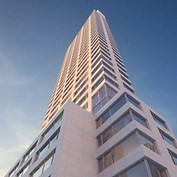
O objectivo geral do projeto é o estudo das transformações da habitação colectiva de Siza nas últimas 5 décadas, privilegiando a análise articulada dos: a) projetos (habitação social/promoção privada) e respectivas condições sociais e urbanas de enquadramento; b) seus habitantes e da relação que estes desenvolvem com o espaço projetado. A pesquisa segue uma metodologia intensiva: estudo comparado de 3 casos/projetos de habitação colectiva de Siza. Cada projeto representa um momento particular da vida profissional do arquiteto a que corresponde um momento particular da sociedade e cidade; os 3 em conjunto, e a sua sequência temporal, representam simultaneamente a trajetória individual de Siza (parte dela) e a da sociedade e cidade contemporâneas. Os casos são: 1º Bouça/Porto - lançado após a Revolução 1974. Simboliza a Revolução, Arquitetura e o Direito à Cidade quando esta estava em decadência; 2º Terraços de Bragança – Chiado, Lisboa, lançado nos anos 1990. Simboliza o boom do imobiliário nacional, arranque da modernização e a procrastinação do renascimento urbano; 3º Edifício 611 West 56th Street – Hell’s Kitchen, Nova Iorque, lançado nos anos 2010’s. Simboliza a híper-globalização, ascensão da cidade, financeirização do imobiliário e incontestabilidade do valor da autoria arquitectónica. A maior inovação da proposta está na sequência temporal destes 3 casos que nos permite responder às seguintes questões: o que mudou na produção e na apropriação nas casas de Siza e em que é que essas mudanças se relacionam com mudanças sociais e com o percurso do arquiteto? Quem promove as habitações nos diferentes períodos e locais e para quem? Quais as diferenças/semelhanças formais, funcionais e contextuais dos diferentes projetos? Como é que as transformações do contexto urbano impactam na ocupação das habitações em termos sociais, usos e valor? Qual o perfil social dos seus habitantes, sua evolução e diferenças intre projetos? Como é que esses diversos habitantes vivem (n)as...
Informação do Projeto
2022-02-01
2024-07-31
Parceiros do Projeto
- DINAMIA'CET-Iscte (CT) - Líder
- IST - (Portugal)

ATLAS de Siza: colmatar lacunas no Património Mundial
Investigador
Na sequência do estudo “The world heritage list: filling the gaps – an action plan for the future” e da Estratégia Global do Comité do Património Mundial, incentivando a submissão de nomeações de Património do século XX, o ICOMOS-Portugal apresentou um conjunto de obras de Álvaro Siza para a Lista Indicativa do Património Mundial, em 2017.
Siza é um arquiteto de reconhecida relevância no panorama nacional e internacional, tendo cerca de 500 projetos e obras (espalhadas por 4 continentes e 16 países) mais de 100 prémios e distinções, 19 Doutoramentos honoris causa, centenas de publicações dedicadas. Apesar do reconhecimento internacional da qualidade da arquitetura de Siza, não existe ainda um inventário completo, consistente e sistemático da sua obra construída. A informação existente é geralmente dispersa, parcial ou incompleta. Por outro lado, a bibliografia centra-se mais em questões formais do projeto, sendo omitidas a dimensão material e tecnológica das suas obras, assim como o estado de conservação dos edifícios ou os seus potenciais riscos e ameaças.
Neste contexto, SizaATLAS propõe desenvolver um inventário abrangente de todas obras construídas de Siza, assim como fazer uma análise e documentação pormenorizada dos 18 edifícios selecionados para a Lista de Património Mundial. Esta investigação e a comparação com outras obras de arquitetura contemporânea, permitirão uma melhor compreensão do valor único da arquitectura de Siza, num contexto nacional e internacional. Tal será fundamental para informar a justificação do Valor Universal Excecional (VUE) da sua obra, bem como a respetiva proteção nacional e nomeação a Património Mundial.
Para o efeito, a presente investigação propõe desenvolver:
1) PLATAFORMA COLABORATIVA web de livre acesso, que permitirá a gestão e partilha de informação, assim como a compilação de formulários e disseminação de pesquisa;
2) INVENTÁRIO georreferenciado de toda a obra construída de Siza em Portugal e no estrangeiro;
3) DOCUM...
Informação do Projeto
2021-09-20
2024-09-19
Parceiros do Projeto
- ISTAR-Iscte (DLS) - Líder
- IT-Iscte
- DINAMIA'CET-Iscte
- FAUP - (Portugal)
- ESG - (Portugal)
A monumentalidade crítica de Álvaro Siza: Projetos de Renovação Urbana depois da Exposição internacional de Lisboa de 1998
Investigador Responsável
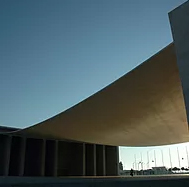
O projeto de investigação ‘A Monumentalidade Crítica de Álvaro Siza – Projetos de Renovação Urbana depois da Exposição Internacional de Lisboa de 1998 (Expo’98)’ pretende identificar, caracterizar, discutir e refletir sobre os projetos de Álvaro Siza dentro do contexto das políticas urbanas lançadas no princípio do século XXI. O projeto possui como ponto de partida a análise da obra do Pavilhão de Portugal no contexto do projeto de renovação urbana que o evento Exposição Internacional de Lisboa proporcionou. O Pavilhão, concebido sem uma específica atribuição de programa para além do programa temporário de edifício representante de Portugal na Expo’98, é atualmente tido como um laboratório da arquitetura de Álvaro Siza e um projeto de referência dentro da Cultura Arquitetónica Portuguesa. Neste sentido considera-se indispensável um trabalho interpretativo e analítico possível de mapear e qualificar as suas qualidades e conceitos.
Operações arquitetónicas e urbanísticas depois da Exposição Internacional de Lisboa de 1998
Coordenador Global
O projeto de investigação 'Grandes Trabalhos - Operações arquitetónicas e urbanísticas depois da Exposição Internacional de Lisboa de 1998', tem o intuito de identificar, caracterizar, debater e refletir sobre as políticas urbanas e a arquitetura produzidas em Portugal após a Exposição Internacional de 1998, em Lisboa (Expo98). O estudo assenta na convicção de que os reflexos daquele 'laboratório urbano' não podem prescindir de um trabalho de natureza predominantemente analítica e interpretativa, capaz de mapear e qualificar a cultura urbanística, projetual e tecnológica implementada em Portugal nas duas décadas que se seguiram aos projetos da Expo98. Em 2008, passada a primeira década desde a Exposição de Lisboa, foi apresentado pela Câmara Municipal de Lisboa o Plano Geral de Intervenções da Frente Ribeirinha (PGIFR), com o intuído de estabelecer continuidades urbanas, alargando o modelo do Parque das Nações a todo o aterro marginal da cidade, entre o Rio Trancão e a doca de Pedrouços, reconfigurando algumas das áreas de infraestruturas portuárias que se encontravam sob a administração pública do Estado. A dinâmica gerada pelo PGIFR tem permitido enquadrar projetos de grande dimensão e importância estratégica para o país, tais como: a Fundação Champalimaud, na zona da doca de Pedrouços a Ocidental do município, com projeto do arquiteto Charles Correa (1930-2015); o Museu Nacional dos Coches, na zona de Belém, desenhado por Paulo Mendes da Rocha (n. 1928); a sede da EDP de Manuel (n. 1963) e Francisco (n.1964) Aires Mateus no aterro da Boavista; a reabilitação do espaço público da Ribeira das Naus, com projeto de João Ferreira Nunes (n.1960) e João Gomes da Silva (n.1962); ou o futuro Terminal de Cruzeiros em Santa Apolónia, com desenho de Carrilho da Graça (n.1952), agora em construção. O projeto 'Os Grandes Trabalhos - Operações arquitetónicas e urbanísticas depois da Exposição Internacional de Lisboa de 1998' procura aprofundar as relações produzidas pelas inter...
Informação do Projeto
2018-10-01
2022-09-30
Parceiros do Projeto
- DINAMIA'CET-Iscte (CT) - Líder
Desenvolvimento portuário das infra-estruturas portuguesas na África continental (Angola e Moçambique): análise crítica e histórica e avaliação pós-colonial
Investigador
Objetivos
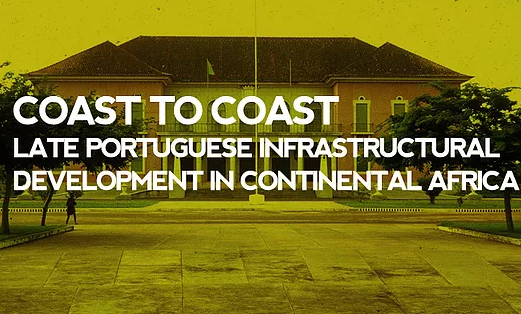
1) a análise do processo infra-estrutural a partir do mapeamento de 3 tipologias específicas de Obras Públicas coloniais (PW), que serão abordadas na perspectiva de seu processamento arquivístico, documental e cartográfico e de sua descrição historiográfica;
2) a identificação e análise crítica do estado dessas infra-estruturas (reutilização, fortalecimento ou decadência), após as independências de 1975.
A pesquisa baseia-se na hipótese de que a infra-estrutura territorial colonial deixa marcas resilientes no ambiente construído pós-colonial e que esse impacto deve ser analisado de forma a apoiar ações futuras. O Arquivo Histórico Ultramarino possui uma parte essencial da coleção de documentos sobre o PW colonial dos séculos XIX e XX. O processo de arquivamento, catalogação e descrição será uma responsabilidade do projeto, tornando-os disponíveis para a comunidade científica.
Após o mapeamento, recorrendo à cartografia especializada, toda a documentação será recolhida, e os estudos de caso serão selecionados, com base em critérios específicos (relevância estratégica, escala, impacto no ambiente construído). Sua descrição detalhada e histórica segue, a fim de criar registros de inventário na plataforma web HPIP da FCG e referência no SIG, juntamente com a verificação do estado de conservação e com o levantamento das intervenções pós-dependência.
Informação do Projeto
2016-04-04
2019-12-31
Parceiros do Projeto
- DINAMIA'CET-Iscte (CT) - Líder
- Gulbenkian - (Portugal)
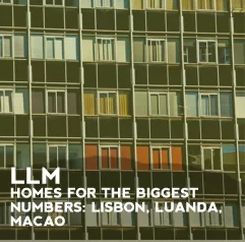
LLM - Homes for the biggest number: Lisbon, Luanda, Macao
Investigador
A pesquisa visa pesquisar, catalogar e contextualizar projetos de habitação em Lisboa, Luanda e Macau, construídos entre os anos 1960 e 1980, que se destacaram para a grande ocupação e o alto número de pessoas alojadas. Destina-se a identificar os modelos habitacionais e urbanos existentes e mapear as mudanças após 40 anos de uso, a fim de compreender como se adaptar às condições atuais (urbanas e sociais) e apoiar o futuro. Metodologia: Inicialmente, começa com um detalhado descrição e processo histórico, criando registros de inventário, referenciados ao Sistema de Informação Geográfica e redestrução de projetos (para análises comparativas do design urbano e da unidade celular). Isso segue uma visita aos complexos para verificar seu estado de conservação, experimentando a situação urbana e descrevendo a evolução do perfil das populações atuais. Os questionários serão divulgados para relatórios de ocupação e satisfação social (distrito / moradia). As entrevistas qualitativas a grupos profundamente enraizados (grupos sociais e culturais de pertença) permitirão avaliar a integração na cidade. As visitas serão gravadas em video para "memória futura" e um documentário (três curtas-metragens de 30 minutos) será produzido. No ano passado, serão realizadas oficinas com as comunidades, envolvendo arquitetos, estudantes, moradores e instituições locais, propondo intervenções arquitetónicas baseadas em análises históricas e sociais e na tradição portuguesa de arquitetura participativa.
Informação do Projeto
2013-07-01
2015-12-31
Parceiros do Projeto
- DINAMIA'CET-Iscte
- AAM - (China)
- IHRU - (Portugal)
O Lugar do Discurso
Investigador Responsável
O projeto O Lugar do Discurso pretende identificar, analisar, debater e refletir sobre a cultura editorial dos periódicos portugueses de arquitetura, ao longo do século XX. Este estudo baseia-se na convicção de que esta cultura editorial não pode ser totalmente compreendida sem um quadro que exija uma natureza interpretativa e analítica. O título do projeto - O Lugar do Discurso - tem vários significados diferentes. Em primeiro lugar, invoca uma ideia que pertence à própria arquitetura. O título sugere que este projeto trata tanto do discurso quanto do "lugar" sobre o qual o discurso é produzido - os periódicos especializados da arquitetura. Ele também invoca uma grade complexa de configurações sobre "quem" produz, "o que" envolve o conteúdo e "como" esse "site" é construído.
Informação do Projeto
2013-06-03
2015-12-02
Parceiros do Projeto
- DINAMIA'CET-Iscte
- FCSH-UNL - Líder (Portugal)
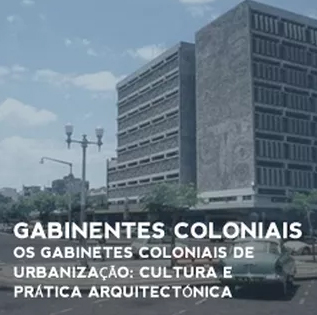
Os Gabinetes Coloniais de Urbanização: Cultura e Prática Arquitectónica
Investigador
Este estudo teve como objetivo inventariar, catalogar e analisar o trabalho de Equipas sucessivas que pertenciam às estruturas dos Ministérios das Colónias e mais tarde do Ultramar (doravante designados ministérios no exterior) e que eram responsáveis pelo projeto arquitetónico faz parte de uma abordagem mais abrangente estudar sobre a cidade e a arquitetura produzida nos antigos territórios coloniais, cujo objetivo é promover o conhecimento do património intelectual e construído gerado pelos portugueses e disponibilizá-lo ao público em geral por meio de um sistema de consulta online .
Informação do Projeto
2010-02-01
2013-07-31
Parceiros do Projeto
- DINAMIA'CET-Iscte
- IICT - (Portugal)
- IHRU - (Portugal)
