
 English


Trailblazing Inclusive, Sustainable and Resilient Cities
Investigador
O projecto InCITIES foca-se nas cidades do futuro: resilientes, sustentáveis e inclusivas. Este projecto é financiado pela Comissão Europeia, através do Programa Quadro Horizonte Europa, lançado, no contexto da European Excellence Initiative.
InCITIES promove e desenvolve iniciativas no âmbito da investigação, do ensino e no relacionamento com a sociedade envolvente.
InCITIES reflete os desafios globais europeus para as cidades do futuro abordando quatro objetivos:
Mapear estratégias de transformação institucional para universidades baseadas em investigação, progressivamente mais sustentável, incrementando a ciência aberta e oportunidades de carreira,
Fortalecer uma rede de longo prazo das instituições de ensino superior e de investigação participantes e os ecossistemas circundantes com base em hubs integrados de conhecimento,
Aumentar a capacidade científica, tecnológica e de pessoal, partilhando as melhores práticas pedagógicas, de pesquisa, de gestão e administrativas no consórcio,
Promover as competências digitais, criando uma plataforma de educação aberta e inovadora em sinergia com a agenda de investigação, desenvolvimento e inovação do projecto, com foco nas cidades inclusivas, sustentáveis e resilientes.
Os parceiros do consórcio representam universidades de cinco países (Portugal, Eslováquia, Finlândia, França e Alemanha), que asseguram as competências e os conhecimentos relevantes para a implementação do projecto.
Além do Iscte, o consórcio integra os seguintes parceiros universitários: Universidade de Zilina (Eslováquia), Universidade de Ciências Aplicadas de Colónia (Alemanha), Universidade Gustave Eiffel (França) e Universidade de Ciências Aplicadas Laurea (Finlândia).
Os parceiros associados do projecto são: Área Metropolitana de Lisboa, União das Vilas e Cidades da Eslováquia, Mobilidade Inteligente da Eslováquia, Confederação Portuguesa do Voluntariado, Confederação Portuguesa das Colectividades de Cultura, Recreio e Desport...
Informação do Projeto
2022-10-01
2025-09-30
Parceiros do Projeto
- Iscte - Líder
- TH KOLN - (Alemanha)
- LAUREA - (Finlândia)
- UNI EIFFEL - (França)
- UNIZA - (Eslováquia)

ATLAS de Siza: colmatar lacunas no Património Mundial
Investigador
Na sequência do estudo “The world heritage list: filling the gaps – an action plan for the future” e da Estratégia Global do Comité do Património Mundial, incentivando a submissão de nomeações de Património do século XX, o ICOMOS-Portugal apresentou um conjunto de obras de Álvaro Siza para a Lista Indicativa do Património Mundial, em 2017.
Siza é um arquiteto de reconhecida relevância no panorama nacional e internacional, tendo cerca de 500 projetos e obras (espalhadas por 4 continentes e 16 países) mais de 100 prémios e distinções, 19 Doutoramentos honoris causa, centenas de publicações dedicadas. Apesar do reconhecimento internacional da qualidade da arquitetura de Siza, não existe ainda um inventário completo, consistente e sistemático da sua obra construída. A informação existente é geralmente dispersa, parcial ou incompleta. Por outro lado, a bibliografia centra-se mais em questões formais do projeto, sendo omitidas a dimensão material e tecnológica das suas obras, assim como o estado de conservação dos edifícios ou os seus potenciais riscos e ameaças.
Neste contexto, SizaATLAS propõe desenvolver um inventário abrangente de todas obras construídas de Siza, assim como fazer uma análise e documentação pormenorizada dos 18 edifícios selecionados para a Lista de Património Mundial. Esta investigação e a comparação com outras obras de arquitetura contemporânea, permitirão uma melhor compreensão do valor único da arquitectura de Siza, num contexto nacional e internacional. Tal será fundamental para informar a justificação do Valor Universal Excecional (VUE) da sua obra, bem como a respetiva proteção nacional e nomeação a Património Mundial.
Para o efeito, a presente investigação propõe desenvolver:
1) PLATAFORMA COLABORATIVA web de livre acesso, que permitirá a gestão e partilha de informação, assim como a compilação de formulários e disseminação de pesquisa;
2) INVENTÁRIO georreferenciado de toda a obra construída de Siza em Portugal e no estrangeiro;
3) DOCUM...
Informação do Projeto
2021-09-20
2024-09-19
Parceiros do Projeto
- ISTAR-Iscte (DLS) - Líder
- IT-Iscte
- DINAMIA'CET-Iscte
- FAUP - (Portugal)
- ESG - (Portugal)
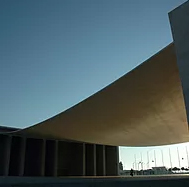
A monumentalidade crítica de Álvaro Siza: Projetos de Renovação Urbana depois da Exposição internacional de Lisboa de 1998
Investigador
O projeto de investigação ‘A Monumentalidade Crítica de Álvaro Siza – Projetos de Renovação Urbana depois da Exposição Internacional de Lisboa de 1998 (Expo’98)’ pretende identificar, caracterizar, discutir e refletir sobre os projetos de Álvaro Siza dentro do contexto das políticas urbanas lançadas no princípio do século XXI. O projeto possui como ponto de partida a análise da obra do Pavilhão de Portugal no contexto do projeto de renovação urbana que o evento Exposição Internacional de Lisboa proporcionou. O Pavilhão, concebido sem uma específica atribuição de programa para além do programa temporário de edifício representante de Portugal na Expo’98, é atualmente tido como um laboratório da arquitetura de Álvaro Siza e um projeto de referência dentro da Cultura Arquitetónica Portuguesa. Neste sentido considera-se indispensável um trabalho interpretativo e analítico possível de mapear e qualificar as suas qualidades e conceitos.

University Goes Digital for a Sustainable Global Education
Investigador
O Projeto Athena visa o desenvolvimento de competências digitais dos docentes universitários, reforçando a sua resposta aos desafios que as universidades enfrentam atualmente e no futuro. O projeto procura fomentar ambientes de aprendizagem cooperativa, tornando-os transformadores e inclusivos através da adoção de novas tecnologias, como e-learning, plataformas de jogos, realidade virtual e aumentada, modelados sistematicamente para ativar competências-chave na aprendizagem digital. O projeto irá criar modelos que os docentes podem adotar e adaptar às suas aulas, utilizando diferentes abordagens pedagógicas.
Informação do Projeto
2021-03-01
2023-02-28
Parceiros do Projeto
- IRU-Iscte - Líder
- BRU-Iscte
- ISTAR-Iscte
- CIES-Iscte
- DINAMIA'CET-Iscte
- Webwise Inovação Lda (webwise Inovação Lda) - (Portugal)
- Université Gustave Eiffel (Université Gustave Eiffel) - (França)
- Politecnico di Milano (Polimi) - (Itália)
- SIGMUND FREUD PRIVATUNIVERSITAT WIEN GMBH (SIGMUND FREUD PRIVATUNIVERSITAT WIEN GMBH) - (Áustria)
Operações arquitetónicas e urbanísticas depois da Exposição Internacional de Lisboa de 1998
Investigador
O projeto de investigação 'Grandes Trabalhos - Operações arquitetónicas e urbanísticas depois da Exposição Internacional de Lisboa de 1998', tem o intuito de identificar, caracterizar, debater e refletir sobre as políticas urbanas e a arquitetura produzidas em Portugal após a Exposição Internacional de 1998, em Lisboa (Expo98). O estudo assenta na convicção de que os reflexos daquele 'laboratório urbano' não podem prescindir de um trabalho de natureza predominantemente analítica e interpretativa, capaz de mapear e qualificar a cultura urbanística, projetual e tecnológica implementada em Portugal nas duas décadas que se seguiram aos projetos da Expo98. Em 2008, passada a primeira década desde a Exposição de Lisboa, foi apresentado pela Câmara Municipal de Lisboa o Plano Geral de Intervenções da Frente Ribeirinha (PGIFR), com o intuído de estabelecer continuidades urbanas, alargando o modelo do Parque das Nações a todo o aterro marginal da cidade, entre o Rio Trancão e a doca de Pedrouços, reconfigurando algumas das áreas de infraestruturas portuárias que se encontravam sob a administração pública do Estado. A dinâmica gerada pelo PGIFR tem permitido enquadrar projetos de grande dimensão e importância estratégica para o país, tais como: a Fundação Champalimaud, na zona da doca de Pedrouços a Ocidental do município, com projeto do arquiteto Charles Correa (1930-2015); o Museu Nacional dos Coches, na zona de Belém, desenhado por Paulo Mendes da Rocha (n. 1928); a sede da EDP de Manuel (n. 1963) e Francisco (n.1964) Aires Mateus no aterro da Boavista; a reabilitação do espaço público da Ribeira das Naus, com projeto de João Ferreira Nunes (n.1960) e João Gomes da Silva (n.1962); ou o futuro Terminal de Cruzeiros em Santa Apolónia, com desenho de Carrilho da Graça (n.1952), agora em construção. O projeto 'Os Grandes Trabalhos - Operações arquitetónicas e urbanísticas depois da Exposição Internacional de Lisboa de 1998' procura aprofundar as relações produzidas pelas inter...
Informação do Projeto
2018-10-01
2022-09-30
Parceiros do Projeto
- DINAMIA'CET-Iscte (CT) - Líder
