
 English

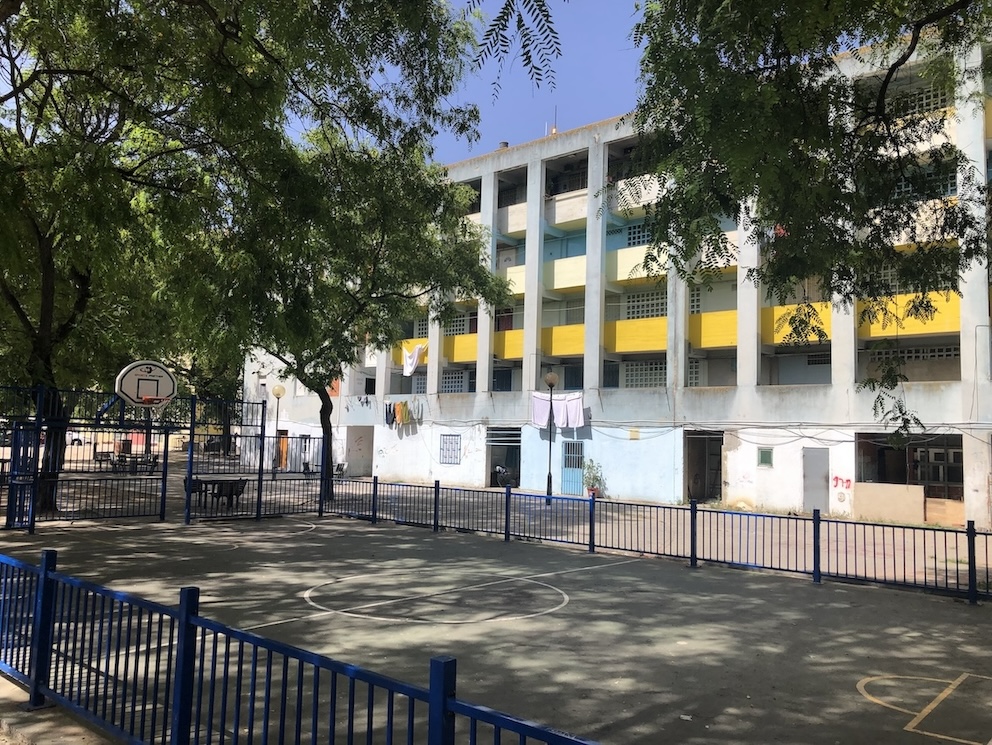
Estudo sobre o Bairro Portugal Novo, Lisboa
Coordenador Global
Estudo documental histórico sobre a encomenda, desenho e realização do conjunto habitacional designado Portugal Novo, em Lisboa – conjunto de 221 fogos promovidos pela extinta Cooperativa de Habitação Económica Portugal Novo e situado na Rua Américo Durão e na Rua Al Berto, na freguesia do Areeiro, município de Lisboa – e elaboração do respetivo Relatório-parecer (Síntese histórico-funcional), para a Direção Municipal de Habitação e Desenvolvimento Local da Câmara Municipal de Lisboa. O referido estudo e o relatório resultante (intitulado 'O Bairro para a Cooperativa de Habitação Económica Portugal Novo em Lisboa: Crónica de um Processo (SAAL), 1972-1992') visam contribuir para a definição de uma estratégia de ação e informar de modo consistente as decisões da CML sobre a solução urbanística e arquitetónica a desenvolver na requalificação deste território.
Informação do Projeto
2024-04-18
2024-07-30
Parceiros do Projeto
- DINAMIA'CET-Iscte (CT) - Líder
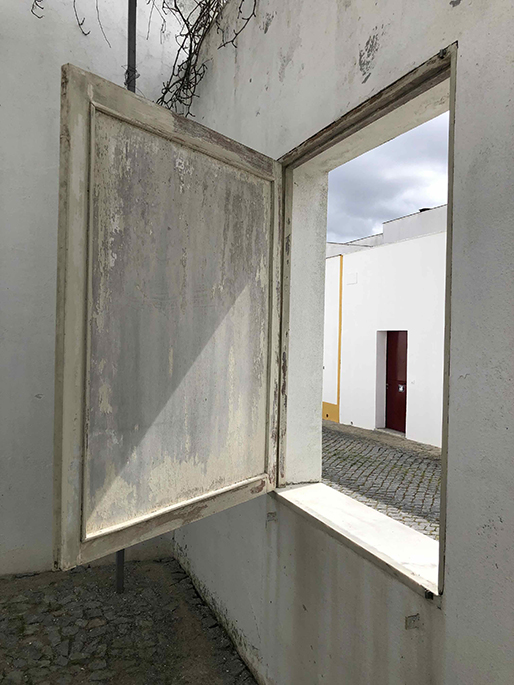
Habitar Siza: a experiência e interacção dos residentes com a arquitectura e as micro-tecnologias de Álvaro Siza
Investigador
Este projecto analisa o modo como os moradores de habitação desenhada por Álvaro Siza experienciam e interagem com a disposição espacial dos seus apartamentos, as micro-tecnologias da casa, os espaços públicos dos edifícios e o estatuto de atracção turística dos prédios onde moram. O projecto procura preencher a lacuna de investigação existente sobre a obra de Siza, relativa à quase ausência de estudos sobre a recepção e apropriação da sua arquitetura pelos moradores. O estudo debruça-se sobre três casos com populações com posições de classe diferentes, desde a população de baixos rendimentos para quem o Bairro da Bouça no Porto foi originalmente concebido, à população de classe média-baixa da Malagueira em Évora e finalmente à população de rendimentos muito altos dos Terraços de Bragança em Lisboa. A investigação seguirá uma abordagem etnográfica, com recurso a entrevistas aprofundadas com moradores, visitas a casa e solicitação fotográfica de olhar ‘o/a morador/a em acção’ com a sua casa.
Informação do Projeto
2021-09-14
2024-09-13
Parceiros do Projeto
- DINAMIA'CET-Iscte (CT)
- IHC - (Portugal)
- CICS.NOVA_UEvora - (Portugal)
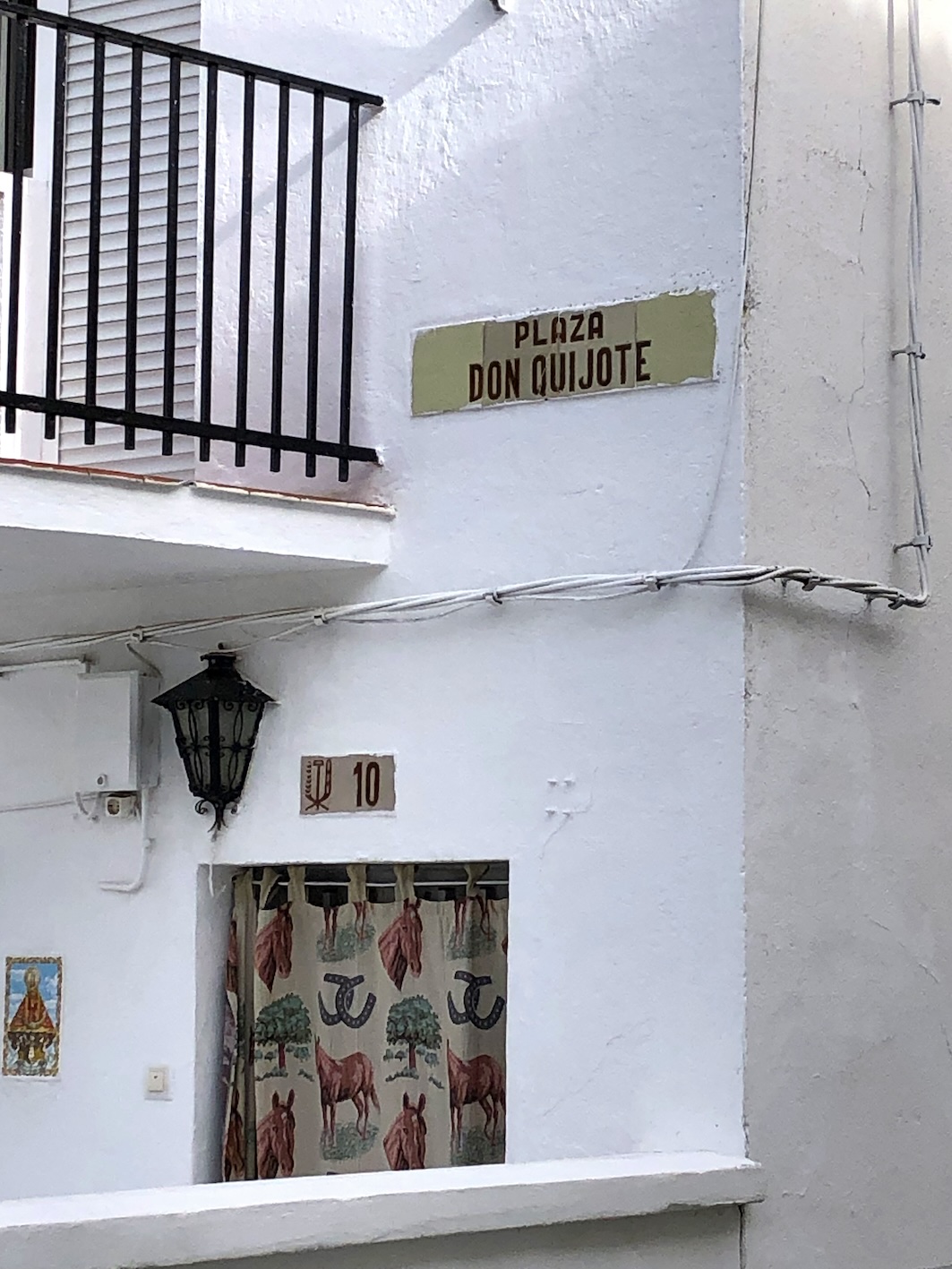
European Research Council Starting Grant (GA949686) ReARQ.IB - Built Environment Knowledge for Resilient, Sustainable Communities: Understanding Everyday Modern Architecture and Urban Design in the Iberian Peninsula (1939-1985)
Coordenador Global
Como podemos nós gerir, melhorar e desenvolver comunidades resilientes e sustentáveis sem um conhecimento sólido do nosso ambiente construído? Como colocar a história da arquitetura e das cidades ao serviço dos cidadãos?O projeto ReARQ.IB reconcilia comunidades em Espanha e Portugal com a sua ‘arquitetura de proximidade’: estruturas, conjuntos e bairros normalmente excluídos das histórias canónicas, perto do nosso dia-a-dia mas longe do nosso pensamento. Com uma atenção especial a edifícios de uso público e residencial – tipos dominantes, com interesse generalizado para as comunidades –, o projeto integrará informação detalhada e reflexão crítica em apoio de medidas de gestão e intervenção, desenvolvendo em paralelo o conhecimento científico e histórico sobre a arquitetura e o espaço urbano do nosso quotidiano.
Informação do Projeto
2021-05-01
2026-10-31
Parceiros do Projeto
- DINAMIA'CET-Iscte (CT) - Líder
Controle e violência através da habitação e da arquitectura, durante as guerras coloniais. O caso português (Guiné-Bissau, Angola e Moçambique): documentação colonial e análise crítica pós-independência
Investigador
Qual foi o papel da Arquitectura durante a guerra colonial (1961-74) no suporte ao colonialismo português? Partindo da rara bibliografia existente que interpela Arquitectura, Colonialismo e Guerra (He17;He18), mas também ponderando a relação entre Violência e Colonialismo (LuMo14), a pesquisa foca-se na produção de Habitação durante as guerras de libertação na antiga África Continental Portuguesa, e suas repercussões no período imediato às independências das nações da Guiné-Bissau, Angola e Moçambique. O projecto prevê 2 fases: 1) análise da produção da habitação realizada nos últimos 14 anos de colonialismo, considerando a composição da sociedade colonial e os 3 agentes de Obras Públicas Coloniais (OPC ) envolvidos, abordada na perspectiva do tratamento arquivístico e documental, cartográfico e descrição historiográfica; 2) identificação e análise crítica do estado desse parque habitacional no período imediato a 1974/75 (abandono, reconfiguração e apropriação) e seu contributo na formação de fenómenos como a desigualdade no acesso e na qualidade (plástica, técnica e funcional) da casa pelas sociedades pós-independências. A investigação questiona o papel da guerra na criação de mecanismos de controle, recorrendo à arquitectura e ao urbanismo, tendo a produção de habitação como centro. Observa 3 fenómenos: a) novos bairros de expansão urbana de classe-média e económicos, edificados sobre musseques e caniços, para controle de populações; b) colonatos em áreas económicas estratégicas; c) reordenamentos rurais resultantes de deslocações massivas de camponeses africanos em territórios de guerra. Traça uma leitura contínua entre colonização e pós-independência, relacionando o direito à habitação com as diferentes infraestruturas residenciais herdadas do período colonial. Na 1ª fase o estudo considera os 3 grupos de habitantes que caracterizaram as narrativas coloniais: a) colonos europeus, b) assimilados e c) populações africanas. Analisa as paisagens urbana e rural onde...
Informação do Projeto
2021-03-29
2024-11-30
Parceiros do Projeto
- DINAMIA'CET-Iscte (CT) - Líder
- DGLAB - (Portugal)
- EME - (Portugal)
- Gulbenkian - (Portugal)
- IPGUL - (Angola)
- UAN - (Angola)
- UEM - (Moçambique)
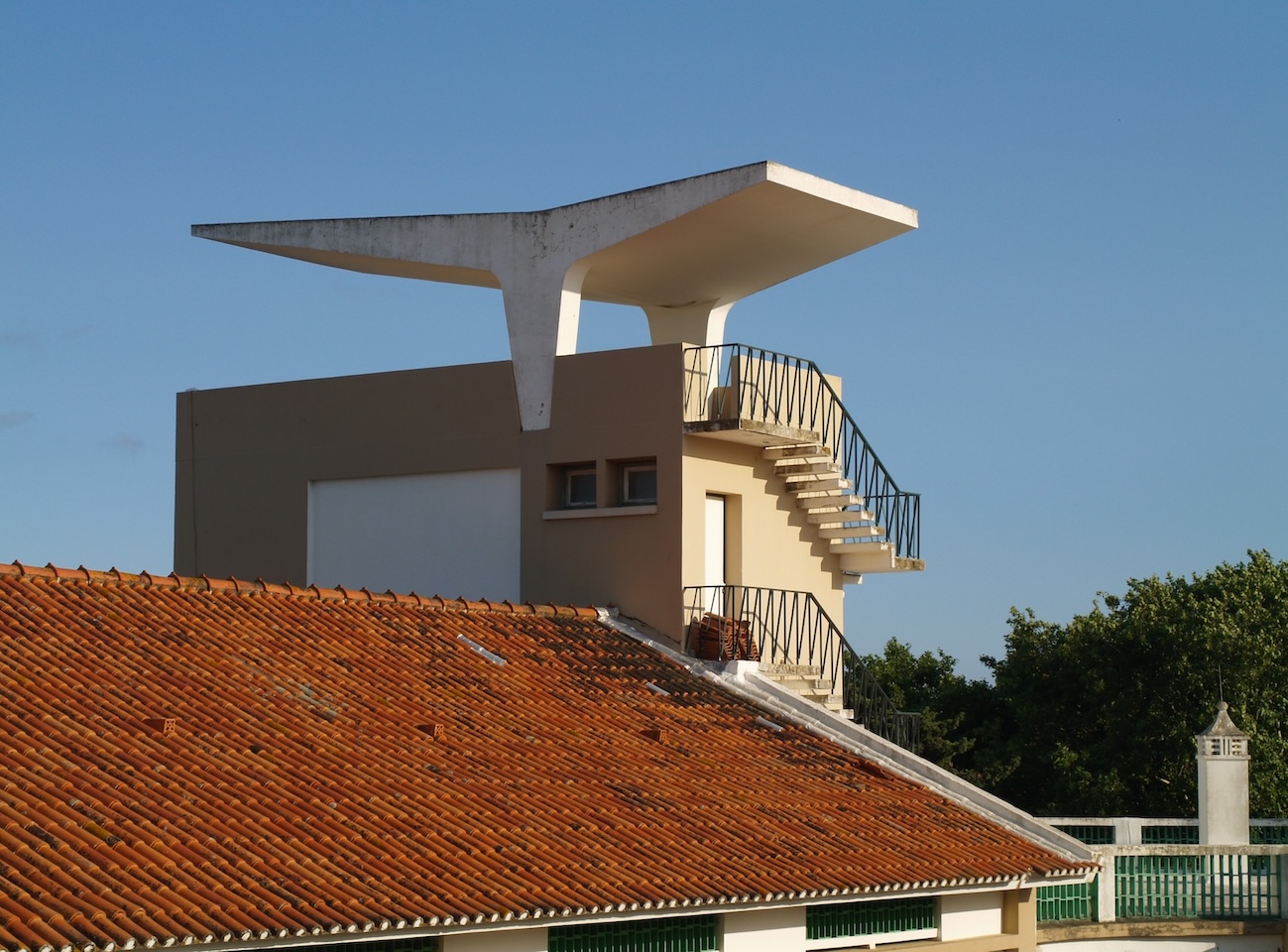
Arquitetura de Necessidade: Equipamento Comunitário em Portugal 1945-1985
Coordenador Global
Arquitetura de Necessidade: Equipamento Comunitário em Portugal 1945-1985 examina os processos de encomenda, projeto e produção de equipamento essencial cívico e rural dascomunidades locais em Portugal entre o final da Segunda Guerra e a adesão à Comunidade Europeia. Estes edifícios, muitos deles desenhados por arquitetos, são parte da nossavida quotidiana e testemunhos da relevância social procurada pela arquitetura, como elos materiais entre criadores e utilizadores do ambiente construído; no entanto, têm sido emgeral ignorados pela cultura arquitetónica dominante, marcada por perspetivas centrais e de acento histórico-artístico. Hoje, quando devemos gerir racionalmente recursos cada vezmais escassos e as comunidades locais necessitam de reforçar a sua resiliência de modo sustentável, é essencial um novo entendimento integrado destes equipamentos, dosagentes, conceitos, discursos e estratégias por trás da sua conceção e realização. Este projeto académico recupera o ADN, perdido há muito, da arquitetura quotidiana deequipamentos públicos e agrícolas em Portugal, de modo a enriquecer a cultura arquitetónica e a dotar as comunidades locais de conhecimento que lhes permita reutilizar,transformar, manter ou eliminar peças essenciais do seu entorno imediato.Assente na experiência da equipa, o projeto afasta-se da arquitetura canónica de autor para investigar agentes, resposta e serviço, em contextos onde necessidades básicas sãosupridas por obras vistas como correntes, produto de processos supostamente triviais. Interrogando de que modo podem edifícios discretos, relevantes para leigos e arquitetos nopassado, voltar a sê-lo no futuro, olhamos para onde esta arquitetura foi resposta mais direta a necessidades ingentes: o equipamento local cívico e rural longe dos grandes centros.Este inclui edifícios para cuidados médicos (centros de saúde, lares), serviços gerais (instalações municipais e de freguesia, centros comunitários, habitação de realojamento),segurança pública (...
