
 English

Lista de Projetos
Esta é a lista de projetos disponíveis no sistema. Para saber mais detalhes sobre um projeto clique no seu nome ou imagem. Também pode procurar por um determinado projeto na caixa de pesquisa em baixo.
Página 20
As PMEs enfrentam, com frequência, dificuldades na adoção da economia circular e de tecnologias de manufatura avançada, sobretudo devido à falta de conhecimento especializado, recursos limitados e ausência de apoio técnico adequado. Entre os principais constrangimentos destacam-se o acesso reduzido a competências técnicas, os custos elevados de implementação e a complexidade do ecossistema de soluções circulares. O CIRC-2-ZERO responde a estes desafios através de três iniciativas-chave. Em primeiro lugar, uma plataforma baseada em Digital Twin para simulação e otimização de processos orientados para a circularidade. Em segundo lugar, a disponibilização de soluções validadas para o design circular de produtos e otimização de cadeias de valor. Em terceiro lugar, a criação de uma rede de Resilience Transformation Hubs para formação, mentoria e apoio à inovação colaborativa. Em conjunto, estas soluções visam capacitar as PME para uma transição eficaz para a economia circular e manufatura avançada, promovendo simultaneamente ganhos de competitividade, redução de resíduos e maior eficiência na utilização de recursos.
Informação do Projeto
2025-03-01
2028-02-29
Parceiros do Projeto
- BRU-Iscte (Gestão)
- TALTECH - Líder (Estónia)
- Häme University of Applied Sciences - (Finlândia)
- Linna - (Finlândia)
- KTP - (Polónia)
- K8 - (Alemanha)
- AFAS - (Alemanha)
- Riga Technical University - (Letónia)
- LUT - (Suécia)
- VMG - (Lituânia)
- VIZULO - (Letónia)
- IDCN - AB - (Suécia)
- VHTP - (Letónia)
- TARTU-SP - (Estónia)
Este estudo visa analisar as representações de indivíduos da classe trabalhadora em Portugal sobre lógicas de proteção social pós produtivistas, ao nível do Estado Providência, considerando os impactos da automação da atividade produtiva em Portugal, sendo estimada uma perda líquida de 300.000 postos de trabalho até 2030 num cenário de automação que ronde os 50% do total (Duarte et al, 2019, p. 19). Parte da população ativa caracterizada por baixas qualificações, idade relativamente avançada e integração em setores com maior potencial de automação (indústria, comércio e retalho, Administração pública) pode encontrar-se numa situação vulnerável perante esta transformação, nomeadamente num enquadramento de políticas ativas de emprego (PAE). Torna-se pertinente perceber junto de pessoas da classe trabalhadora, o que pensam relativamente a formas de proteção social pós produtivistas, focando três propostas de política pública: 1) Rendimento de participação (Atkinson, 1996, pp. 68-69), 2) emprego público garantido (Tcherneva, 2020) e 3) rendimento básico.
Orientação:
Renato Miguel do Carmo
Informação do Projeto
2025-03-01
2027-08-31
Parceiros do Projeto
As tecnologias de reconhecimento facial recolhem biliões de rostos que são armazenados para múltiplas utilizações, desde a identificação e o rastreio de indivíduos, até ao treino de redes neuronais profundas - o pilar da inteligência artificial (IA) moderna. Desde a etiquetagem de uma fotografia nas redes sociais ou o desbloqueio de um computador até às aplicações controversas do reconhecimento facial em espaços públicos, escolas, locais de trabalho e atividades de aplicação da lei, as tecnologias de processamento facial entraram em quase todos os aspetos das nossas vidas. Embora os benefícios esperados estejam relacionados com a segurança e a proteção, os críticos sublinham que estas tecnologias normalizam a vigilância e fragilizam a privacidade, exacerbam a discriminação e contêm falhas e imprecisões insuperáveis. O projeto fAIces pergunta: O que importa nas tecnologias de reconhecimento facial e porquê? Como é que atribuir importância acarreta diversas formas de implicação? Que formas de cidadania e de envolvimento público são afetadas? Como emergem escolhas éticas múltiplas e complexas? Este estudo desenvolve uma metodologia inovadora através da qual são tidas em consideração as perspetivas de grupos sociais que nunca foram estudados em conjunto e que estão implicados de forma conjunta mas antagónica nas tecnologias de reconhecimento facial: cientistas que realizam investigação sobre reconhecimento facial; profissionais que trabalham em start-ups e empresas de tecnologia; organizações de proteção de direitos digitais e activistas; comunidades negras; e artistas que incorporam o reconhecimento facial no seu trabalho. O projeto fAIces produzirá uma teoria social inovadora do rosto através da combinação de uma nova abordagem concetual - “etho-assemblages”, que transgride a ideia de princípios éticos fixos e dicotómicos pré-definidos - e a produção de dados empíricos originais. Os principais resultados assentam na expansão da ética e na imaginação de futuros alterna...
Informação do Projeto
2025-03-01
2030-02-28
Parceiros do Projeto
- CIES-Iscte - Líder
- UMinho - (Portugal)
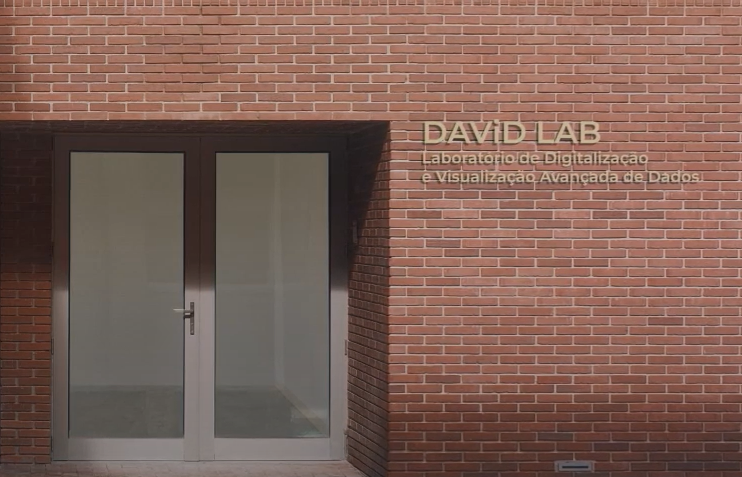
Criação de um Laboratório de Digitalização e Visualização Avançada de Dados (DAViD Lab), uma infraestrutura única no contexto nacional e regional, que se enquadra na prioridade de investimento 1A - Competitividade e Inovação do Aviso Lisboa2030-2024-36. o DAViD Lab permitirá a igitalização multidimensional de arquivos históricos, culturais e científicos de elevado valor patrimonial, promovendo a preservação e acessibilidade de documentos e objetos. Esta infraestrutura será equipada com tecnologias avançadas de digitalização e curadoria de dados, incluindo soluções interativas e colaborativas baseadas em ferramentas digitais e inteligência artificial.
Informação do Projeto
2025-02-25
2027-08-25
Parceiros do Projeto
- Iscte-CI - Líder
- BRU-Iscte - Coordenador Técnico
- CEI-Iscte
- CIES-Iscte
- CIS-Iscte
- DINAMIA'CET-Iscte - Coordenador Técnico
- CRIA-Iscte
- IT-Iscte - Coordenador Técnico
- ISTAR-Iscte - Coordenador Técnico
- IMT - (Portugal)
- CML - (Portugal)
- ICOMOS-PT - (Portugal)
- EPHEMERA - (Portugal)
Este projeto aborda o tema da transição digital no desenvolvimento das carreiras científicas e as experiências de pessoas empregadas em centros de investigação de universidades portuguesas. O principal objetivo é explorar como estes processos transformaram a profissão de investigador, com consequências positivas e negativas para o desenvolvimento pessoal e profissional, incluindo o equilíbrio entre trabalho, vida pessoal e internacionalização. Através de uma análise baseada em evidências, o objetivo do projeto é ajudar a informar os policymakers e os stakeholders no setor de Investigação e Desenvolvimento (I&D) sobre estas questões, no que diz respeito a Portugal, e criar uma melhor compreensão do impacto da transição digital na vida dos profissionais das comunidades de investigação. Teoricamente, o projeto situa a transição digital num contexto de mobilidades. Este projeto reconheceu a importância de uma maior interconexão global e que existe uma dependência da tecnologia da informação em profissões altamente qualificadas. Isto estende-se às contribuições das próprias equipas de investigação para o campo de investigação das mobilidades, sabendo que muitas sociedades estão atualmente a passar por uma viragem de imobilidade decorrente da problematização das deslocações físicas em ambientes urbanos e da expansão das plataformas de trabalho digitais, a nível nacional e internacional. Estes desenvolvimentos criam novas possibilidades e um leque mais alargado de ligações, mas também colocam imposições aos investigadores, incluindo uma erosão do tempo e espaço pessoais por imperativos de trabalho. No que diz respeito à abordagem empírica, as questões de investigação visam documentar não só a extensão da digitalização nas unidades de investigação, incluindo as principais tarefas relacionadas com o trabalho experimental, os estudos de campo e networking e a normalização do trabalho à distância, mas também o impacto na esfera doméstica, com uma abordagem transversal que ...
Informação do Projeto
2025-02-20
2026-08-19
Parceiros do Projeto
- CIES-Iscte - Líder
Página 20
