English

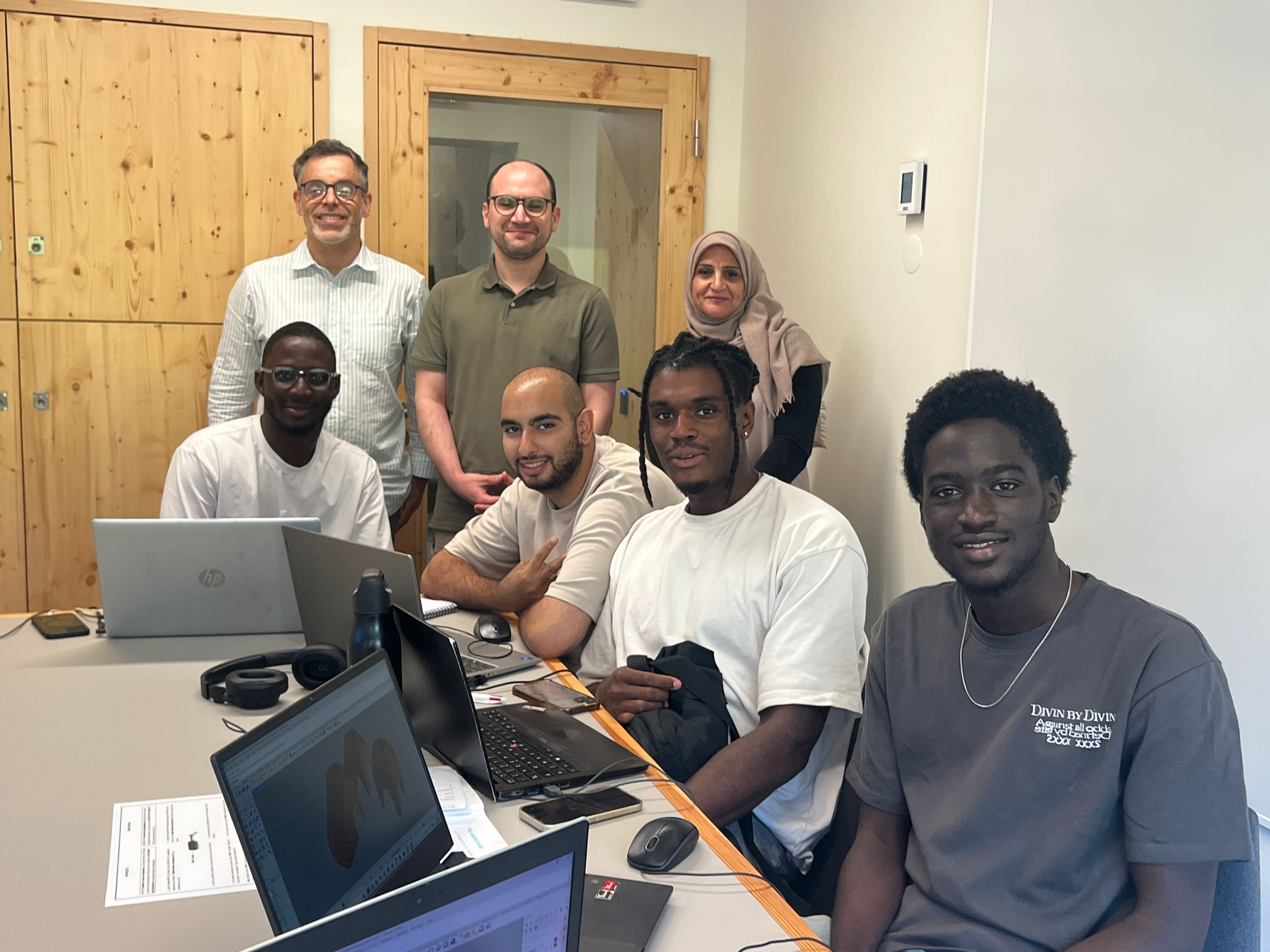
After a protocol with École d'Ingénieurs (CESI), a research project will be developed through the funding of 4 internships, that will be integrated in a wider project "Generative Architectural Design: Promoting Human-Biome Interaction through Traditional Approaches and Emerging Technologies". This internship will be integrated into ongoing research at ISTAR-Iscte at the intersection of advanced architectural design and construction, focusing on reimagining human-nature coexistence through the integration of living systems with built structures. The research leverages artificial intelligence, structural biomimetics, and emerging technologies to develop methodologies for regenerative architecture. A key focus is on Earth-Sheltered Construction, addressing the challenge of automating its labor-intensive processes by integrating Humanoid Robotics with Biomimetic Design and Vernacular Knowledge.
This teamwork offers a unique opportunity to contribute to the development of sustainable and resilient built environments that actively participate in ecosystem regeneration and enhance human well-being. The research aims to overcome the limitations of traditional construction by developing adaptive and automated methods using humanoid robots, with applications in sustainable community housing, disaster relief shelters, and even extraterrestrial habitats. The work aligns with the growing interest in AI and robotics in construction.
-
Phase 1: Research Initiation & Foundational Studies (Weeks 1-5)
-
Introductory Study of Earth-Sheltered Construction & Vernacular Architecture
-
Exploration of Robotics & Automation in Construction, and Biomimetic Principles
-
Preliminary Investigation of Concept Integration in Simulated Environment
-
Phase 2: In-Depth Research & Robotic Applications (Weeks 6-12)
-
Comprehensive Literature Review (Advanced)
-
Analysis of Vernacular Precedents & Biomimetic Processes for Robotic Fabrication
-
Investigation of Humanoid Robotic Platforms & Simulation Environment Modeling
-
Planning & Control Algorithms & Integration of Living Systems
-
Phase 3: Documentation & Reporting (Weeks 13-14)
| Centro de Investigação | Grupo de Investigação | Papel no Projeto | Data de Início | Data de Fim |
|---|---|---|---|---|
| ISTAR-Iscte | Digital Living Spaces | Parceiro | 2025-07-14 | 2025-10-03 |
| Instituição | País | Papel no Projeto | Data de Início | Data de Fim |
|---|---|---|---|---|
| École d'Ingénieurs (CESI) | França | Parceiro | 2025-07-14 | 2025-10-03 |
| Nome | Afiliação | Papel no Projeto | Data de Início | Data de Fim |
|---|---|---|---|---|
| Mauro Costa Couceiro | Investigador Integrado (ISTAR-Iscte); | Investigador Responsável | 2025-08-05 | 2025-08-05 |
| Código/Referência | DOI do Financiamento | Tipo de Financiamento | Programa de Financiamento | Valor Financiado (Global) | Valor Financiado (Local) | Data de Início | Data de Fim |
|---|---|---|---|---|---|---|---|
| Erasmus+KA1 | -- | Prémio | Erasmus+ - -- | 14160 | 0 | 2025-07-14 | 2025-10-03 |
Não foram encontrados registos.
Não foram encontrados registos.
| Título | Entidade Media | Tipo | Data Publicação |
|---|---|---|---|
| Noite Europeia dos Investigadores - Direto | RTP | Entrevista | 2025-09-27 |
Não foram encontrados registos.
Não foram encontrados registos.
Com o objetivo de aumentar a investigação direcionada para o cumprimento dos Objetivos do Desenvolvimento Sustentável para 2030 das Nações Unidas, é disponibilizada no Ciência_Iscte a possibilidade de associação, quando aplicável, dos projetos científicos aos Objetivos do Desenvolvimento Sustentável. Estes são os Objetivos do Desenvolvimento Sustentável identificados para este projeto. Para uma informação detalhada dos Objetivos do Desenvolvimento Sustentável, clique aqui.