
 English


Trailblazing Inclusive, Sustainable and Resilient Cities
Investigadora
O projecto InCITIES foca-se nas cidades do futuro: resilientes, sustentáveis e inclusivas. Este projecto é financiado pela Comissão Europeia, através do Programa Quadro Horizonte Europa, lançado, no contexto da European Excellence Initiative.
InCITIES promove e desenvolve iniciativas no âmbito da investigação, do ensino e no relacionamento com a sociedade envolvente.
InCITIES reflete os desafios globais europeus para as cidades do futuro abordando quatro objetivos:
Mapear estratégias de transformação institucional para universidades baseadas em investigação, progressivamente mais sustentável, incrementando a ciência aberta e oportunidades de carreira,
Fortalecer uma rede de longo prazo das instituições de ensino superior e de investigação participantes e os ecossistemas circundantes com base em hubs integrados de conhecimento,
Aumentar a capacidade científica, tecnológica e de pessoal, partilhando as melhores práticas pedagógicas, de pesquisa, de gestão e administrativas no consórcio,
Promover as competências digitais, criando uma plataforma de educação aberta e inovadora em sinergia com a agenda de investigação, desenvolvimento e inovação do projecto, com foco nas cidades inclusivas, sustentáveis e resilientes.
Os parceiros do consórcio representam universidades de cinco países (Portugal, Eslováquia, Finlândia, França e Alemanha), que asseguram as competências e os conhecimentos relevantes para a implementação do projecto.
Além do Iscte, o consórcio integra os seguintes parceiros universitários: Universidade de Zilina (Eslováquia), Universidade de Ciências Aplicadas de Colónia (Alemanha), Universidade Gustave Eiffel (França) e Universidade de Ciências Aplicadas Laurea (Finlândia).
Os parceiros associados do projecto são: Área Metropolitana de Lisboa, União das Vilas e Cidades da Eslováquia, Mobilidade Inteligente da Eslováquia, Confederação Portuguesa do Voluntariado, Confederação Portuguesa das Colectividades de Cultura, Recreio e Desport...
Informação do Projeto
2022-10-01
2025-09-30
Parceiros do Projeto
- Iscte - Líder
- TH KOLN - (Alemanha)
- LAUREA - (Finlândia)
- UNI EIFFEL - (França)
- UNIZA - (Eslováquia)
Sandra Marques Pereira - Projeto Individual Estímulo ao Emprego Científico
Coordenadora Global
Informação do Projeto
2022-10-01
--
Parceiros do Projeto
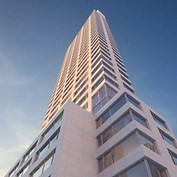
Habitação colectiva de Álvaro Siza: projetos, contextos e vivências (Porto-Lisboa-Nova Iorque)
Coordenadora Global
O objectivo geral do projeto é o estudo das transformações da habitação colectiva de Siza nas últimas 5 décadas, privilegiando a análise articulada dos: a) projetos (habitação social/promoção privada) e respectivas condições sociais e urbanas de enquadramento; b) seus habitantes e da relação que estes desenvolvem com o espaço projetado. A pesquisa segue uma metodologia intensiva: estudo comparado de 3 casos/projetos de habitação colectiva de Siza. Cada projeto representa um momento particular da vida profissional do arquiteto a que corresponde um momento particular da sociedade e cidade; os 3 em conjunto, e a sua sequência temporal, representam simultaneamente a trajetória individual de Siza (parte dela) e a da sociedade e cidade contemporâneas. Os casos são: 1º Bouça/Porto - lançado após a Revolução 1974. Simboliza a Revolução, Arquitetura e o Direito à Cidade quando esta estava em decadência; 2º Terraços de Bragança – Chiado, Lisboa, lançado nos anos 1990. Simboliza o boom do imobiliário nacional, arranque da modernização e a procrastinação do renascimento urbano; 3º Edifício 611 West 56th Street – Hell’s Kitchen, Nova Iorque, lançado nos anos 2010’s. Simboliza a híper-globalização, ascensão da cidade, financeirização do imobiliário e incontestabilidade do valor da autoria arquitectónica. A maior inovação da proposta está na sequência temporal destes 3 casos que nos permite responder às seguintes questões: o que mudou na produção e na apropriação nas casas de Siza e em que é que essas mudanças se relacionam com mudanças sociais e com o percurso do arquiteto? Quem promove as habitações nos diferentes períodos e locais e para quem? Quais as diferenças/semelhanças formais, funcionais e contextuais dos diferentes projetos? Como é que as transformações do contexto urbano impactam na ocupação das habitações em termos sociais, usos e valor? Qual o perfil social dos seus habitantes, sua evolução e diferenças intre projetos? Como é que esses diversos habitantes vivem (n)as...
Informação do Projeto
2022-02-01
2024-07-31
Parceiros do Projeto
- DINAMIA'CET-Iscte (CT) - Líder
- IST - (Portugal)
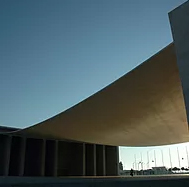
A monumentalidade crítica de Álvaro Siza: Projetos de Renovação Urbana depois da Exposição internacional de Lisboa de 1998
Investigadora
O projeto de investigação ‘A Monumentalidade Crítica de Álvaro Siza – Projetos de Renovação Urbana depois da Exposição Internacional de Lisboa de 1998 (Expo’98)’ pretende identificar, caracterizar, discutir e refletir sobre os projetos de Álvaro Siza dentro do contexto das políticas urbanas lançadas no princípio do século XXI. O projeto possui como ponto de partida a análise da obra do Pavilhão de Portugal no contexto do projeto de renovação urbana que o evento Exposição Internacional de Lisboa proporcionou. O Pavilhão, concebido sem uma específica atribuição de programa para além do programa temporário de edifício representante de Portugal na Expo’98, é atualmente tido como um laboratório da arquitetura de Álvaro Siza e um projeto de referência dentro da Cultura Arquitetónica Portuguesa. Neste sentido considera-se indispensável um trabalho interpretativo e analítico possível de mapear e qualificar as suas qualidades e conceitos.
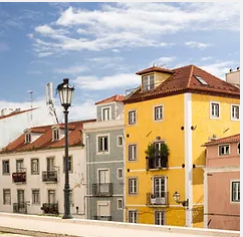
LXHABIDATA
Investigadora Responsável
O projeto LXHABIDATA pretende acionar e alimentar uma plataforma de dados sobre a habitação geograficamente referenciados para todos os concelhos da Área Metropolitana de Lisboa, atualizados com periodicidade trimestral, com o objetivo de favorecer a discussão pública, o ensaio de medidas de política habitacional e a informação de vários agentes, para além do apoio à docência dos investigadores implicados. Na nossa opinião esta plataforma enquadra-se nos objetivos do Projeto pois permite aprofundar o conhecimento sobre as dinâmicas de mudança ao nível do espaço considerando a diversidade das logicas, dos processos e dos atores que o produzem ou dele se apropriam com particular atenção às dinâmicas habitacionais e de desenvolvimento local.
Informação do Projeto
2019-10-26
--
Parceiros do Projeto
- DINAMIA'CET-Iscte (CT) - Líder

European Middle Class Mass Housing
Investigadora
The main challenge of this Cost Action is to create a transnational network that gathers European researchers carrying studies on Middle-Class Mass Housing (MCMH) built in Europe since the 1950s. This network will allow the development new scientific approaches by discussing, testing and assessing case studies and their different methodologies and perspectives. MCMH has been generally underestimated in urban and architectural studies and there is still a lack of comparative analysis and global perspectives. The number of transnational publications and scientific meetings has also been scarce. By crossing different approaches focus on Architecture, Urbanism, Planning, Public Policies, History, Sociology new concepts and methodologies will arise. Therefore, the Action aims to produce a wider understanding of MCMH sprawl, deepening on-going researches and focusing on the existing case studies. The current methodologies, surveys, catalogue and contextualization allow an initial mapping of relevant case studies, their diverse degrees of resilience and how they have been adapted to current (urban and social) conditions. It is intended to develop the knowledge of the interaction between spatial forms, behaviours and satisfaction and to combine methodologies of architectural and social analyses. The Action will be developed by three Working Groups, coordinated by a Core Group: Documenting the MCMH; Development of a specific set of (new) concepts for MCMH analyses; Leverage contemporary architecture interventions and Public Policies. In the Action will be involved researchers related to Mass Housing, MCMH Architecture and Urbanism, Planning and Public Policies, Sociological studies, Architecture History and Modern Heritage.
Informação do Projeto
2019-04-03
2023-10-02
Parceiros do Projeto
- DINAMIA'CET-Iscte (CT) - Líder
Informação do Projeto
2018-11-01
2022-10-31
Parceiros do Projeto
Conjuntos Habitacionais para a Classe Média na Europa, África e Ásia
Investigadora
Propõe-se uma análise comparada sobre o alojamento em massa da Classe Média (MCMH) na Europa, África e Ásia, introduzindo novos casos de estudo de modo a aprofundar investigações existentes, a partir de metodologias já testadas: catalogação e contextualização de conjuntos habitacionais construídos entre os anos de 1950/80 em Itália, Bélgica, Portugal, Angola e China. Pretende-se identificar os modelos habitacional e urbano e mapear as alterações surgidas após 50 anos de uso, para entender como se adaptaram às condições actuais (urbanas e sociais), apoiando acções futuras. Os casos de estudo localizam-se em Milão, Antuérpia, Lisboa, Luanda e Macau, em periferias que ajudaram a consolidar e foram selecionados pela: 1) escala; 2) número de habitantes; 3) acessibilidade; 4) qualidade urbana e arquitectónica. Partindo-se de um conhecimento em formação propõe-se agora uma leitura comparada que reflicta sobre a expansão das cidades no contexto do crescimento demográfico após a II Guerra Mundial. Irá analisar-se o impacto dos modelos residenciais desenvolvidos em contextos europeus e a sua transposição para antigos territórios coloniais (África e Ásia). Os estudos que analisam o panorama habitacional transcontinental sob uma perspectiva arquitectónica e sociológica estão limitados a alguns casos regionais, não assegurando uma visão global que inclua: 1) a descrição histórica da evolução física da casa, do edifício e do bairro; 2) levantamento e análise do perfil dos habitantes. Irá avaliar-se a capacidade de resiliência destes bairros, testando e propondo formas de prolongar a sua vida útil, através da actualização dos esquemas funcionais dos apartamentos (adequando-os às novas exigências), renovação de infraestruturas sanitárias e sistemas construtivos e através do conhecimento do perfil de ocupação. Dar-se-á enfase à forma de promoção (pública ou privada) e ao seu efeito sobre o perfil do habitante actual (pioneiro, recente, imigrante). Os bairros estudados caracterizam-s...
Operações arquitetónicas e urbanísticas depois da Exposição Internacional de Lisboa de 1998
Investigadora
O projeto de investigação 'Grandes Trabalhos - Operações arquitetónicas e urbanísticas depois da Exposição Internacional de Lisboa de 1998', tem o intuito de identificar, caracterizar, debater e refletir sobre as políticas urbanas e a arquitetura produzidas em Portugal após a Exposição Internacional de 1998, em Lisboa (Expo98). O estudo assenta na convicção de que os reflexos daquele 'laboratório urbano' não podem prescindir de um trabalho de natureza predominantemente analítica e interpretativa, capaz de mapear e qualificar a cultura urbanística, projetual e tecnológica implementada em Portugal nas duas décadas que se seguiram aos projetos da Expo98. Em 2008, passada a primeira década desde a Exposição de Lisboa, foi apresentado pela Câmara Municipal de Lisboa o Plano Geral de Intervenções da Frente Ribeirinha (PGIFR), com o intuído de estabelecer continuidades urbanas, alargando o modelo do Parque das Nações a todo o aterro marginal da cidade, entre o Rio Trancão e a doca de Pedrouços, reconfigurando algumas das áreas de infraestruturas portuárias que se encontravam sob a administração pública do Estado. A dinâmica gerada pelo PGIFR tem permitido enquadrar projetos de grande dimensão e importância estratégica para o país, tais como: a Fundação Champalimaud, na zona da doca de Pedrouços a Ocidental do município, com projeto do arquiteto Charles Correa (1930-2015); o Museu Nacional dos Coches, na zona de Belém, desenhado por Paulo Mendes da Rocha (n. 1928); a sede da EDP de Manuel (n. 1963) e Francisco (n.1964) Aires Mateus no aterro da Boavista; a reabilitação do espaço público da Ribeira das Naus, com projeto de João Ferreira Nunes (n.1960) e João Gomes da Silva (n.1962); ou o futuro Terminal de Cruzeiros em Santa Apolónia, com desenho de Carrilho da Graça (n.1952), agora em construção. O projeto 'Os Grandes Trabalhos - Operações arquitetónicas e urbanísticas depois da Exposição Internacional de Lisboa de 1998' procura aprofundar as relações produzidas pelas inter...
Informação do Projeto
2018-10-01
2022-09-30
Parceiros do Projeto
- DINAMIA'CET-Iscte (CT) - Líder
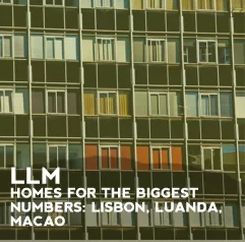
LLM - Homes for the biggest number: Lisbon, Luanda, Macao
Investigadora
A pesquisa visa pesquisar, catalogar e contextualizar projetos de habitação em Lisboa, Luanda e Macau, construídos entre os anos 1960 e 1980, que se destacaram para a grande ocupação e o alto número de pessoas alojadas. Destina-se a identificar os modelos habitacionais e urbanos existentes e mapear as mudanças após 40 anos de uso, a fim de compreender como se adaptar às condições atuais (urbanas e sociais) e apoiar o futuro. Metodologia: Inicialmente, começa com um detalhado descrição e processo histórico, criando registros de inventário, referenciados ao Sistema de Informação Geográfica e redestrução de projetos (para análises comparativas do design urbano e da unidade celular). Isso segue uma visita aos complexos para verificar seu estado de conservação, experimentando a situação urbana e descrevendo a evolução do perfil das populações atuais. Os questionários serão divulgados para relatórios de ocupação e satisfação social (distrito / moradia). As entrevistas qualitativas a grupos profundamente enraizados (grupos sociais e culturais de pertença) permitirão avaliar a integração na cidade. As visitas serão gravadas em video para "memória futura" e um documentário (três curtas-metragens de 30 minutos) será produzido. No ano passado, serão realizadas oficinas com as comunidades, envolvendo arquitetos, estudantes, moradores e instituições locais, propondo intervenções arquitetónicas baseadas em análises históricas e sociais e na tradição portuguesa de arquitetura participativa.
Informação do Projeto
2013-07-01
2015-12-31
Parceiros do Projeto
- DINAMIA'CET-Iscte
- AAM - (China)
- IHRU - (Portugal)
Residential Trajectories and Metropolization: continuities and changes in Lisbon Metropolitan Area
Investigadora
O objetivo geral do projeto é o estudo das trajetórias residenciais dos habitantes da Área Metropolitana de Lisboa (LMA), nascidos entre 1935-1985. No entanto, dada a necessidade de aprofundar o conhecimento sobre as mudanças em curso que poderiam constituir a base de uma reestruturação da lógica da metrópole contemporânea, a prioridade foi a análise das gerações mais jovens: as nascidas entre 1965-1985 e cuja entrada na idade adulta e a autonomia residencial provavelmente já ocorrereu após a adesão à UE, o período de emergência dos principais indicadores da modernidade.
Informação do Projeto
2010-03-01
2013-02-28
Parceiros do Projeto
