
 English

Lista de Projetos
Esta é a lista de projetos disponíveis no sistema. Para saber mais detalhes sobre um projeto clique no seu nome ou imagem. Também pode procurar por um determinado projeto na caixa de pesquisa em baixo.
Página 45
Este projeto decorre das conclusões do estudo longitudinal realizado por uma equipa do DINAMIA’CET-Iscte para a EAPN ao longo de dez anos – Barómetro do Observatório de Luta Contra a Pobreza na Cidade de Lisboa – e que culminou com a publicação, em 2022, do livro Uma imensidão de vidas – dez anos de percursos de pobreza em Lisboa. Uma das conclusões apontava para a necessidade de se conhecerem e avaliarem “projetos suscetíveis de provocarem ruturas com a situação existente e com as tendências de desenvolvimento “instaladas,” conduzindo às mudanças no sentido da construção de formas alternativas de luta contra a pobreza e exclusão social.” O referido estudo identificava quatro das referidas cinco áreas como críticas para a quebra ciclos de pobreza, elencando alguns aspetos chave para cada uma dessas áreas. Neste enquadramento global, e ainda segundo as especificações do Caderno de Encargos, importa cumprir o seguinte plano de atividades: 1. Sinalizar respostas comunitárias, em diferentes áreas, cuja vertente de atuação seja o combate à pobreza e exclusão social na cidade de Lisboa; 2. Identificar e caraterizar Boas Práticas no combate à pobreza e exclusão social em Lisboa; 3. Apresentar critérios que possam configurar o que se entende por “Boas Práticas” no combate à pobreza e exclusão social na cidade de Lisboa, considerando as perspetivas e propostas das: a. organizações que promovem intervenções de combate à pobreza; b. pessoas visadas pelas intervenções de combate à pobreza e exclusão social. 4. Compreender os fatores de sucesso e os fatores de risco de 5 Boas Práticas identificadas e o seu historial biográfico. 5. Divulgar percursos de inclusão social das pessoas em situação de pobreza e exclusão social, através de 5 narrativas digitais. 7. Construção de uma Infografia sobre o que pode ser considerado uma “Boa Prática” em projetos de combate à pobreza e exclusão social.
Informação do Projeto
2024-04-24
2025-08-23
Parceiros do Projeto
- DINAMIA'CET-Iscte (GEC) - Líder
O MediaLab Iscte está vocacionado para a experimentação laboratorial, apoio à investigação e produção de conteúdos editoriais e encontra-se integrado no CIES-Iscte. O MediaLab é uma estrutura de apoio técnico-científico às atividades e ao desenvolvimento da investigação científica fundamental e aplicada, à formação avançada em contexto de investigação e à transferência de conhecimentos para a sociedade. O MediaLab Iscte está vocacionado para a análise das práticas de comunicação nos seus diferentes modelos e objetos – do digital ao analógico, do texto à imagem, passando pelo som, audiovisual e multimédia, até à análise de tendências online, relacionadas com redes e media sociais, pesquisas online e opiniões dos participantes, visualização da informação e ciência de dados. O MediaLab Iscte foi constituído com o objetivo estratégico de criar um espaço de apoio à investigação científica e desenvolvimento de projetos inovadores, no cruzamento entre a vertente de investigação teórico-empírica e a dimensão analítico-tecnológica que permite acompanhar as dinâmicas de transformação da sociedade em rede no século XXI.
O MediaLab Iscte tem como objetivos:Investigar os efeitos da comunicação em rede e da disseminação de uma cultura mediatizada nos seus diferentes usos e dimensões por parte dos participantes na comunicação;Analisar, desenvolver, testar e disseminar novos formatos e conteúdos jornalísticos audiovisuais digitais emergentes destinados ao público em geral;Investigar, desenvolver e disseminar o uso dos métodos digitais de investigação por parte dos investigadores, professores e alunos da comunidade Iscte.
Informação do Projeto
2024-04-22
2026-04-30
Parceiros do Projeto
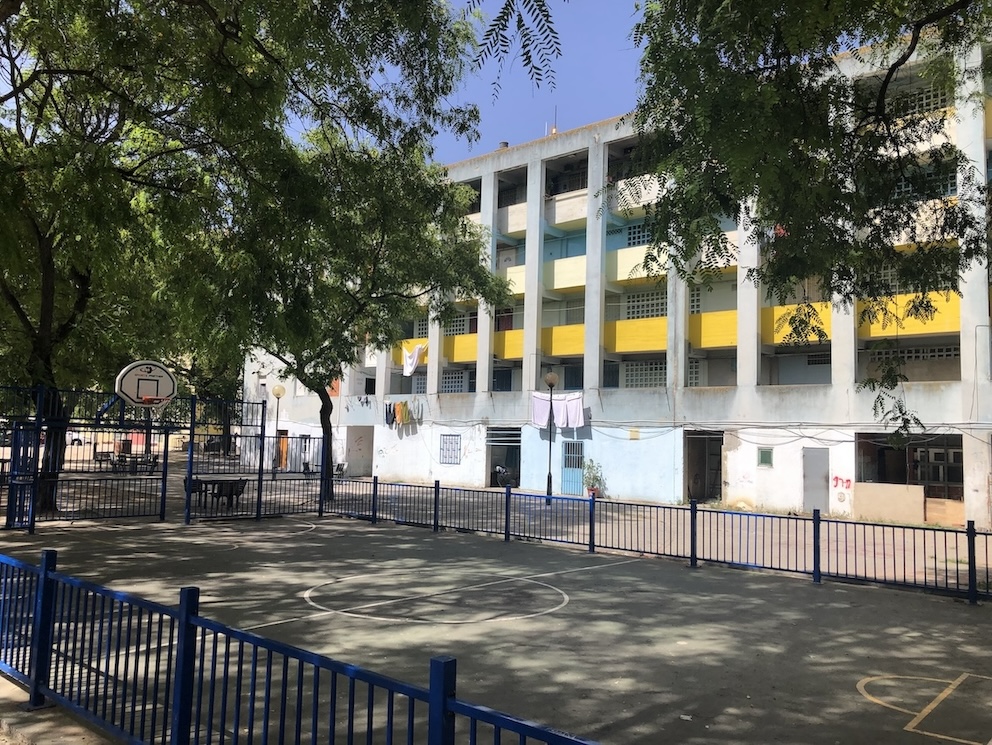
Estudo documental histórico sobre a encomenda, desenho e realização do conjunto habitacional designado Portugal Novo, em Lisboa – conjunto de 221 fogos promovidos pela extinta Cooperativa de Habitação Económica Portugal Novo e situado na Rua Américo Durão e na Rua Al Berto, na freguesia do Areeiro, município de Lisboa – e elaboração do respetivo Relatório-parecer (Síntese histórico-funcional), para a Direção Municipal de Habitação e Desenvolvimento Local da Câmara Municipal de Lisboa. O referido estudo e o relatório resultante (intitulado 'O Bairro para a Cooperativa de Habitação Económica Portugal Novo em Lisboa: Crónica de um Processo (SAAL), 1972-1992') visam contribuir para a definição de uma estratégia de ação e informar de modo consistente as decisões da CML sobre a solução urbanística e arquitetónica a desenvolver na requalificação deste território.
Informação do Projeto
2024-04-18
2024-07-30
Parceiros do Projeto
- DINAMIA'CET-Iscte (CT) - Líder

Identificar e conceber intervenções que respondam às questões de género e que sejam transformadoras, de modo a que as barreiras enfrentadas pelos prestadores de cuidados de saúde no acesso aos serviços e pelos profissionais de saúde na prestação de serviços sejam efetivamente ultrapassadas na Guiné-Bissau e em São Tomé e Príncipe. A equipa do Iscte realizará uma avaliação das barreiras relacionadas com o género e trabalhará com o governo para elaborar, em colaboração, propostas de intervenção que serão integradas no programa de imunização e nos cuidados de saúde primários.
As soluções propostas irão abordar as barreiras sociais e estruturais que afectam a prestação de serviços de imunização e outros serviços de saúde às comunidades com baixas taxas de vacinação. A análise dos obstáculos e a consolidação das soluções propostas serão verificadas através de uma abordagem participativa com as partes interessadas que vivem e trabalham em zonas de baixa cobertura. Além disso, as intervenções devem ser integradas como parte do programa de saúde primária de cada país e reforçar a capacidade do sector da saúde para adaptar estas intervenções no futuro.
Informação do Projeto
2024-04-12
2024-12-31
Parceiros do Projeto
Inquérito aos Candidatos, eleições legislativas de 2024, trabalho de campo (e preparação dos dos para arquivo no Social Science Data Bank Suiço, FORS – Universidade de Lausane) 2024-2026.
Este projeto é membro do Comparative Candidate Survey https://www.comparativecandidates.org/https://www.comparativecandidates.org/members?page=1
Membro da infraestrutura de pesquisa nacional APIS (com o ESS, PNES, etc.) e da infraestrutura de pesquisa europeia em preparação: MDem – Monitoring Electoral Democracy: https://medem.eu/
Informação do Projeto
2024-04-02
2026-12-31
Parceiros do Projeto
- CIES-Iscte - Líder
Página 45
