
 English


EduCation on Antimicrobial REsistance for the health workforce
Investigadora
AMR-EDUCare, EduCation on Antimicrobial REsistance for the health workforce, targets the prevention and reduction of antimicrobial resistance (AMR)’s health burden by filling educational gaps on AMR for both clinical and non-clinical health workforce. Southern and Eastern European countries, where the incidence of AMR is highest, are also those where there is a particular deficit in training on AMR prevention. For this reason, the project will target countries in these geographical areas. Through a nimble and relevant educational programme targeting four audiences - doctors, nurses, community pharmacists and health management professionals - the project will equip the health workforce with the necessary knowledge and skills to address AMR in the areas of prescription, waste management and patient empowerment. The training modules developed and delivered will adopt a strong focus on behavioural change and digital health skills for a more resilient and sustainable healthcare sector that improves the patient experience and delivers better health outcomes.
Informação do Projeto
2023-02-22
2025-07-21
Parceiros do Projeto
- ISTAR-Iscte (RAISE )
- BRU-Iscte
- CIS-Iscte
- HEALTH CARE WITHOUT HARM EUROPE - (Bélgica)
- AGENCIA ESPANOLA DE MEDICAMENTOS Y PRODUCTOS - (Espanha)
- SERVICIO ANDALUZ DE SALUD - (Espanha)
- FUNDACION PUBLICA ANDALUZA PARA LAGESTION DE LA - (Espanha)
- INVESTIGACION EN SALUD DE SEVILL - (Espanha)
- ECHALLIANCE COMPANY LIMITED BY GUARANTEE - (Irlanda)
- EUROPEAN HEALTH MANAGEMENT ASSOCIATION - (Bélgica)
- EUROPEAN SOCIETY FOR QUALITY AND PATIENTSAFETY IN GENERAL PRACTICE/FAMILY MEDICINE - (Dinamarca)
- FUNDACION PRIVADA INSTITUTO DE SALUD GLOBAL BARCELONA - (Espanha)
- HOSPITAL CLINIC DE BARCELONA - (Espanha)
- ETHNIKO KAI KAPODISTRIAKO PANEPISTIMIO ATHINON - (Grécia)
- SEMMELWEIS EGYETEM - (Hungria)
- UNIVERSITA DEGLI STUDI DI FIRENZE - (Itália)
- LIETUVOS SVEIKATOS MOKSLU UNIVERSITETAS - (Lituânia)
Co-design para uma saúde digital equitativa
Investigadora
No âmbito da equidade digital identificam-se três condições necessárias para garantir o usufruto dos benefícios decorrentes da transformação digital: acesso a infraestruturas digitais e conetividade, competências de literacia digital que permitem uso responsável/consciente de diferentes tecnologias, e motivação para uso alargado destas tecnologias. A pandemia da SARS COV-2 veio acentuar a importância destas premissas, revelando desigualdades que condicionam a confiança, segurança e valor da utilização de tecnologias digitais nos serviços essenciais, especialmente nos cuidados de saúde.
Assumindo que a saúde digital é um complemento imperativo num serviço de saúde que se queira próximo do cidadão, torna-se importante perceber a forma como a sua universalização responde às necessidades individuais de saúde/doença e como propicia uma relação terapêutica eficaz entre utente e profissional de saúde.
Assentes nas premissas de equidade digital e pelos princípios da centralidade na pessoa, o presente estudo tem como objetivo geral avaliar a adequação de um modelo teórico de saúde digital equitativa na perspetiva de utilizadores e gestores dos serviços de saúde, bem como profissionais de saúde.
Investigadoras Responsáveis: Elzbieta Bobrowicz-Campos e Filipa Ventura. Equipa: Bárbara Pedro, Elaine Santana, Hugo Loureiro, Inga Doneci, Joana Bernardo, Lara Cunha, Marta Matos e Rosa Silva.
Instituições Parceiras: Unidade de Investigação em Ciências da Saúde: Enfermagem (UICISA:E) da Escola Superior de Enfermagem de Coimbra e Centro de Investigação em Tecnologias e Serviços de Saúde (CINTESIS) da Escola Superior de Enfermagem do Porto.

Expanding Digital Health through a pan-European EHRxF-based Ecosystem
Investigadora
O XpanDH é uma CSA destinada a mobilizar e capacitar indivíduos e organizações para criar, adaptar e explorar o uso intencional de soluções digitais de saúde interoperáveis com base na adoção compartilhada do formato European Health Records Exchange (EEHRxF) em toda a Europa. Este esforço pan-europeu usará uma abordagem de “rede de redes” garantindo que os atores de saúde digital sejam motivados e apoiados por orientações personalizadas e exemplos reais para ajudar os primeiros usuários a avançar para o uso concreto de soluções de saúde digital incorporadas EEHRxF para agregar valor à saúde e aos cuidados além de promover Espaço de Dados de Saúde Pessoal e Europeu. O XpanDH persegue o principal objetivo de amadurecer e acelerar um ambiente de interoperabilidade sustentável e escalável para inovações digitais em saúde com base no EEHRxF, em torno de 5 Objetivos:
1) Desenvolver especificações técnicas robustas e recursos para o construção do EEHRxF;
2) Estabelecer o modelo X-Bundle Readiness;
3) Verificar a utilidade do X-Bundle no mundo real com um conjunto de grupos de usuários agrupados em domínios de adoção selecionados;
4) Amadurecer o ecossistema de saúde digital pan-europeu de provedores de soluções e usuários finais,
5) Desenvolver uma estrutura para o ecossistema sustentável.
O consórcio prosperará em projetos e serviços de interoperabilidade de eHealth anteriores e em andamento e, particularmente, nas recomendações dos projetos X-eHealth e DigitalHealthEurope, por meio de ativismo de dados de saúde digital e forte envolvimento do paciente. Reúne 26 parceiros de Saúde Digital sob um conceito de cocriação e co-implementação, apoiado por um Conselho de Políticas (vinculando-se aos Governos e à Rede de Saúde Digital). Para expandir seu impacto, 10 redes do XpandDH, ligadas a centenas de parceiros interessados em saúde serão incentivados a formar um vibrante espaço de saúde (digital) pan-europeu convergindo em ferramentas comuns, utilizáveis e confiáveis pa...
Informação do Projeto
2023-01-01
2024-12-31
Parceiros do Projeto
- BRU-Iscte (Gestão) - Coordenador
- CIS-Iscte (H4A)
- ISTAR-Iscte (RAISE )
- Iscte
- ECHA - (Irlanda)
- HOPE - (Bélgica)
- HL7 - (Bélgica)
- GNOMON - (Grécia)
- EMPIRICA - (Alemanha)
- CHUPorto - (Portugal)
- I~HD - (Bélgica)
- KETEKNY - (Grécia)
- UNINOVA - (Portugal)
- NCZI - (Eslováquia)
- IHE-EUR - (Bélgica)
- EHMA - (Bélgica)
- UiO - (Noruega)
- SCUBA - (Roménia)
- ARIA - (Itália)
- DIGITALEUROPE - (Bélgica)
- OKFO - (Hungria)
- TechForLife - (Itália)
- Nictiz - (Países Baixos (Holanda))
- EDHA - (Alemanha)
- CEN/TH - (Países Baixos (Holanda))
- ASUFC - (Itália)
- ECPC - (Bélgica)
Estudo, estratégia e plano sobre envelhecimento: velhice e políticas sociais no concelho de Cascais
Investigadora
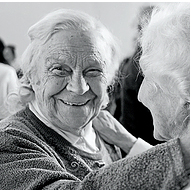
O projeto "Envelhecimento Cascais" teve como principais objetivos a elaboração de um estudo, de uma estratégia e de um plano de ação sobre envelhecimento, velhice e políticas sociais no concelho de Cascais. O processo contou com ampla participação de especialistas, técnicos e cidadãos, mesmo diante do contexto desafiador da pandemia.
Alicerçado nas abordagens da investigação-ação e da co-construção como principais orientações metodológicas, o projeto baseou-se também no referencial teórico da gerontologia crítica, utilizando conceitos e princípios que rejeitam a visão do envelhecimento e da velhice como um simples acúmulo de problemas a serem suportados pela parcela “ativa” da sociedade.
O projeto refere a importância de reconhecer a pluralidade da velhice e de promover políticas públicas que estimulem novos paradigmas, integrando os desafios do desenvolvimento sustentável da economia local e fomentando a inclusão e as relações de cuidado.
Informação do Projeto
2021-07-27
2023-03-31
Parceiros do Projeto
- DINAMIA'CET-Iscte (GEC) - Líder
- CIS-Iscte (H4A)
resilient@uni
Investigadora
Vários estudos têm mostrado evidências de sofrimento psicológico entre as gerações mais jovens e, em particular, nos estudantes universitários. O contexto da pandemia COVID-19 gerou ainda mais desafios, com impactos acrescidos neste grupo. O projeto resiliente@uni reúne um grupo de psicólogos de diferentes áreas de especialidade (por exemplo, psicologia social, educacional e clínica) para explorar a saúde mental e física desta população, identificando potenciais fatores de risco e de proteção, a diferentes níveis, desde variáveis intra-individuais a contextos sociais. Estes resultados destinam-se a informar programas e políticas de intervenção adequados para abordar esta questão.
O projeto foi realizado em colaboração com estudantes:
Catarina Caseiro
Guilherme Manica
Joana Maciel
Ricardo Marques
Joana de Moraes
Validação Psicométrica da Escala de Qualidade de Vida na Orbitopatia de Graves
Investigadora Responsável
Parceiros: Hospital da Luz de Lisboa
Informação do Projeto
2020-01-01
2020-12-31
Parceiros do Projeto
Health Literacy, Health Outcomes and Social Relationships
Investigadora
Informação do Projeto
2018-10-01
2020-12-31
Parceiros do Projeto
Advocating plant-based eating: Which messages work best for whom, and why?
Investigadora
Drawing on a stage theory of behavior change and utilizing participants from three different countries in two continents, the purpose of this research is to provide evidence on which messages are most effective in promoting transitions to a plant-based diet.
Informação do Projeto
2018-02-01
2020-01-31
Parceiros do Projeto
Social memory of water-related trades and practices: local knowledge and climate change adaptation
Investigadora
Para ver o site do projeto, clique aqui: https://memotrade.wordpress.com. To view the project website click here: https://memotrade.wordpress.com
A rede Natura 2000 e um conjunto de locais protegidos que pretendem suster a perda de biodiversidade de a degradação de ecossistemas e constitui um dos principais instrumentos de política ambiental da EU. Até ao momento, a persecução destes objectivos tem estado quase unicamente dependente de medidas de cariz legal e de base científica, e tem desvalorizado o conhecimento local existente nas comunidades que vivem nis sítios protegidos. Estas comunidades têm sido tratadas mais como partes interessadas do que como agentes de mudança e a sua contribuição não tem sido integrada.
Este projeto pretende preencher esta lacuna das seguintes formas; (1) preparando um “#banco de memórias” de práticas, ofícios e profissões ligadas ao mar e à zona costeira que contribua para tornar o conhecimento local numa mais-valia para lidar com as alterações climáticas, e permita integrá-lo com outros tipos de conhecimentos; (2) ajudando a integrar a adaptação e as alterações climáticas nas rotinas das comunidades ao promover a partilha de conhecimentos locais, legais e científicos – em workshops horizontais e verticais – de modo a aumentar a consciência mútua, hibridização e negociação entre estes diferentes conhecimentos. O projecto pretende alcançar estes objectivos através de uma trajectória teórico-metodológica descritiva e enraizada em estudos de caso. Ire3mos seleccionar em cada um dos 3 países envolvidos (Portugal, França e Grécia) 1 área protegida importante, e dentro desta estudaremos duas comunidades, onde estudaremos o conhecimento local relacionado com a protecção da biodiversidade, a memória social de praticas e ofícios relacionados com o mar e a costa e da forma como o uso de recursos naturais organiza as relações sociais. Os ofícios e profissões a abordar incluem a pesca, a recolha de algas e bivalves, mas também os que se rela...
